How to Apply or Remove A Car Decal
November 17, 2021
A plumber once spent three weeks deciding where to put his logo on his van. He measured the doors, compared fonts, and argued with himself over whether the phone number should be a little bigger. Meanwhile, a competitor stuck a simple logo and a phone number on his van and started picking up jobs across town.
The lesson is that your vehicle doesn’t need an elaborate design. It needs to tell people who you are, what you do, and how to reach you. Done well, car decals for business turn an ordinary drive into a chance to get noticed.
Your car spends a lot of time in traffic, parked outside customers’ homes, or sitting in a car park. All of that is the advertising space you’re already paying for and not using.
Using car decals for advertising lets you reach people without paying for every impression. Whether you run a plumbing service, a bakery, a cleaning company, or a local consultancy, your vehicle can put your name in front of people who haven’t heard of you.
Well-planned vehicle decals for business can make even a single company car earn its keep. If you have several vehicles, matching business vehicle decals help customers recognize your brand wherever your team turns up.
Keep the message short. Your business name, logo, main service, and contact details are usually enough. Nobody is going to read your company’s history at a red light.
A small hatchback used for client visits has different needs from a delivery van that covers a dozen neighborhoods a day.
Car advertising decals are a practical way to add branding without paying for a full vehicle wrap. Depending on the design, they can go on the doors, the rear window, or other suitable areas.
If you want a professional look without covering every surface, car decals for business advertising give you a flexible way to show the key details.
Look at the vehicle before you order. Paint color, door shape, handle placement, and the amount of flat space all affect how a design will turn out. A logo that looks great on a laptop screen can look awkward once it has to fit around a door handle.
For more detailed branding, vehicle graphics for business can combine logos, colors, images, and service information in one design. Which option makes sense depends on your budget, your vehicle, and how much you need to say.
People driving past only get a second or two to look, so the design has to be understood quickly.
When you order custom car decals, start with one main message. Your business name should stand out, your service should be obvious, and your contact details should be readable at a glance.
Resist the urge to fill the space with slogans, social media handles, extra phone numbers, and a list of everything you do. A moving vehicle isn’t a brochure.
Good vehicle branding also depends on consistency. Use colors and fonts that match your website, shopfront, and social media pages, so people link them together. If you run a fleet, repeat the same design on every vehicle. Customers may only ever see one van at a time, but a consistent look makes your business seem established.
If you’re using business logo car decals, give the logo room. Making it bigger usually does better than surrounding it with decorative extras.
Windows can be a good advertising space, especially when the body panels are already busy.
Car window decals can show a business name, website, phone number, or a short promotional message. They suit smaller vehicles and businesses that want to add information without putting graphics all over the bodywork.
If you’re considering car window advertising, put visibility first. A message that disappears in reflections or against dark glass won’t do much for you.
Opaque vehicle decals can work for solid-color graphics on body panels and other suitable surfaces. On windows, the material needs more thought, because an opaque graphic can block the view and shouldn’t get in the way of the driver.
If you want graphics for glass, check that the product is made for automotive use. Window decals designed for vehicles can differ from ones made for shop windows or indoor displays.
Always check your local rules on window coverage and visibility. An advertising idea isn’t worth much if it makes driving unsafe or gets you a fine.
Where you put a decal can matter nearly as much as what it says.
Car door decals are popular because the doors give you visible space for a logo and business name. They’re also easy to position the same way across several vehicles.
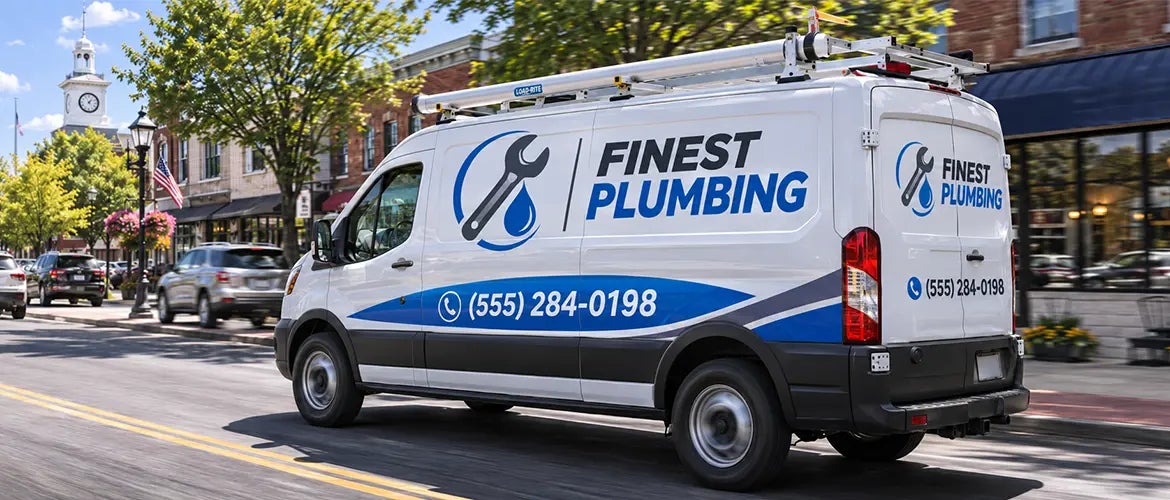
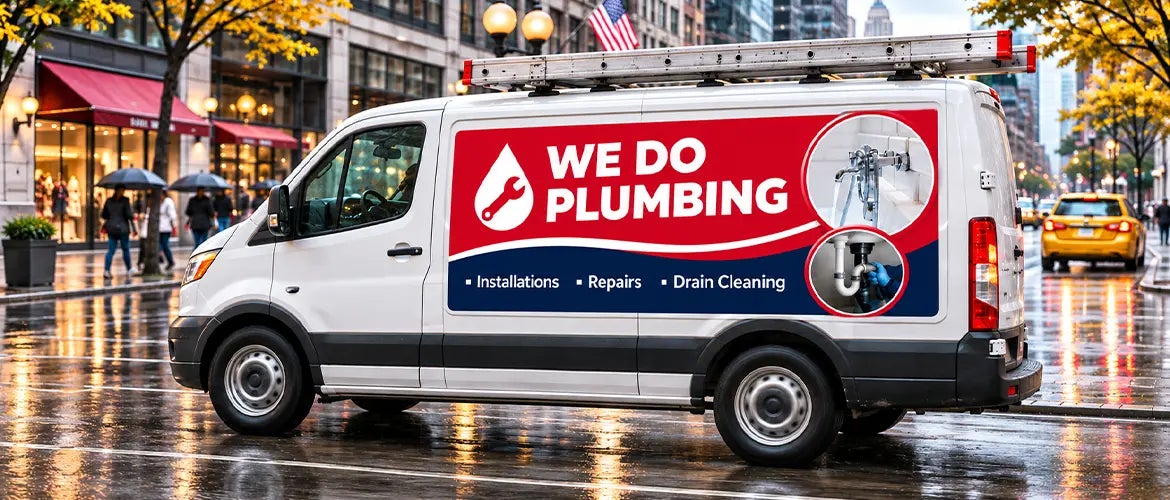
Vans and other work vehicles often have more room on the sides and rear for a larger design. Commercial vehicle decals are especially useful for tradespeople, delivery companies, maintenance teams, and other service businesses that visit customers during the day.
If you just want a simple message on a personal car you use for work, business car stickers may be enough. For a more polished result, professionally made advertising decals for cars usually give you cleaner edges, more consistent color, and a finish that suits the job.
Before installing anything, check the panel’s shape and make sure the decal won’t cover lights, number plates, sensors, handles, or other important parts. Taking a few minutes to measure can save you from an expensive mistake.
Vehicles deal with sun, rain, dust, road grime, frequent washing, and big temperature swings. A decal that looks great on day one has to hold up after weeks of real driving.
When ordering custom vehicle decals, ask about the material, adhesive, expected lifespan, and whether it’s suitable for outdoor automotive use. The right specification depends on where the decal is going and how long you want it to stay.
If you need custom decals for more than one surface, make sure the material suits each of them. A product made for indoor use may not cope with life on a vehicle.
Not all vehicle decals are made for the same purpose either. Some are meant for short promotions, and others for long-term branding. Choose based on how often you expect to change the message and what conditions the vehicle will face.
Clean the surface properly before installation and follow the manufacturer’s instructions. Don’t apply decals to dirty, wet, or unsuitable surfaces. Once they’re on, use the recommended cleaning methods to protect the finish.
Good materials won’t make your decals last forever, but they will keep them looking decent for a lot longer.
Decals work best alongside the rest of your marketing rather than on their own.
Someone might see your van, later search for your name online, and find your website. A customer might notice your van at a neighbor’s house, remember the logo, and call when they need the same service. That’s how everyday vehicle advertising builds familiarity over time.
If you’re working out how to advertise your business on your car, start with a clear goal. Do you want more local enquiries, better brand recognition, or a way for existing customers to spot your team’s vehicles?
Choose a design that supports that goal. Include a website or phone number that’s easy to remember and make sure anyone who looks you up online sees the same branding.
Where you can, track enquiries by asking new customers how they heard about you. You won’t be able to credit every call to someone glancing at your car, but you’ll learn which marketing is actually bringing people in.
A well-branded vehicle doesn’t need flashing lights or a paragraph of slogans. It needs a clear message, suitable materials, and a design that fits the vehicle.
Start small if you have to. Choose a good placement, make your contact details readable, and keep the look consistent with the rest of your business. With a bit of planning, your daily drives can bring in work as well as getting you to your appointments.
And park somewhere sensible, so people can actually see it.
A bakery owner ordered a large banner for a weekend sale. It arrived on Thursday, was installed on Friday, and…
The Friday before Black Friday, a shop owner stood outside his store looking at his window. Everything was marked down…
Most event organizers know this moment. The venue is booked, the guest list is growing, and then someone realizes the…
There are two kinds of shop windows. The first one makes you slow down. The second one makes you wonder…
Black Friday is a major opportunity for businesses to attract new customers, increase revenue, and prepare for the holiday shopping…
Selecting proper visual displays for outdoor events, retail storefronts, or trade shows can make or break your foot traffic. Outdoor…