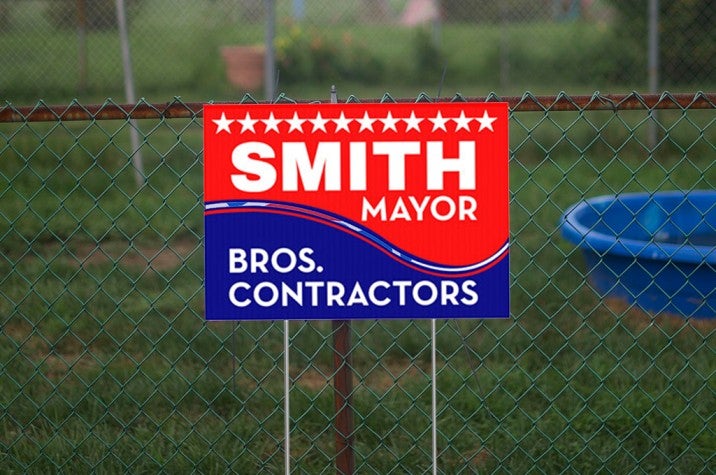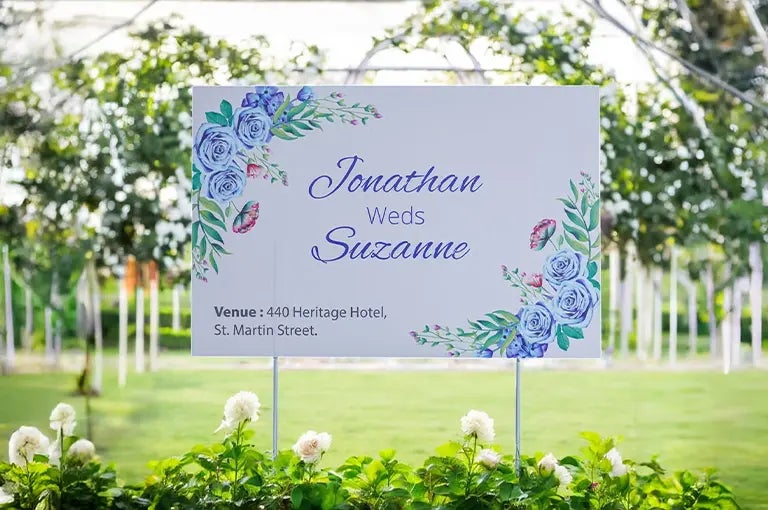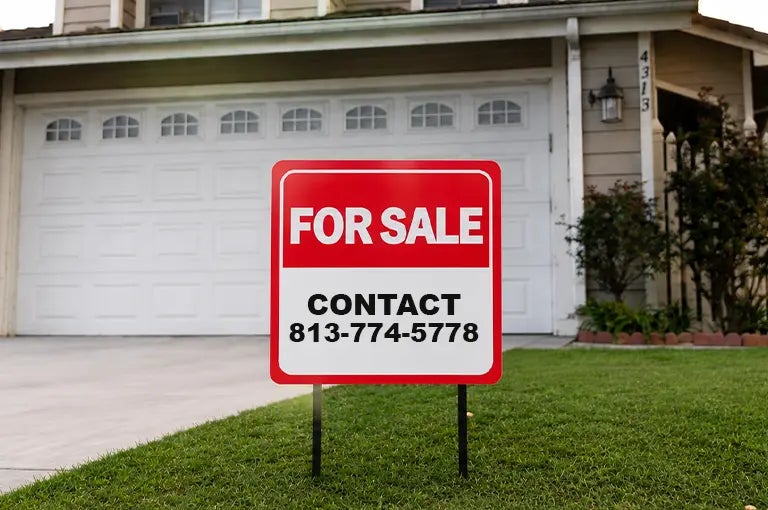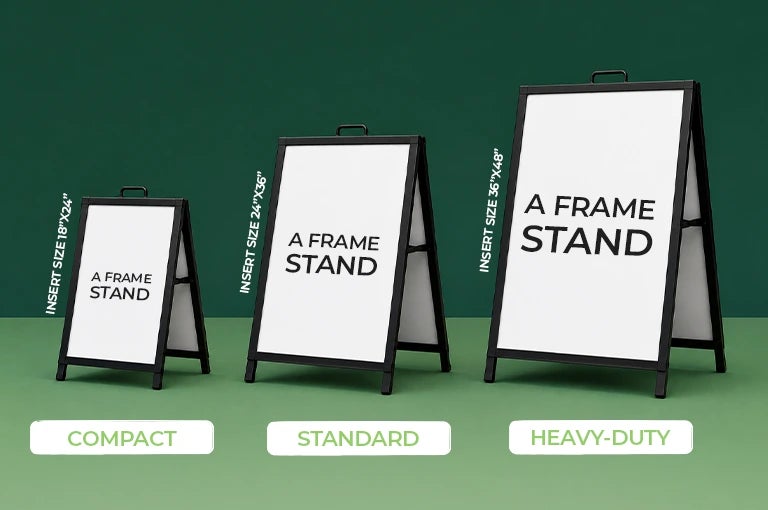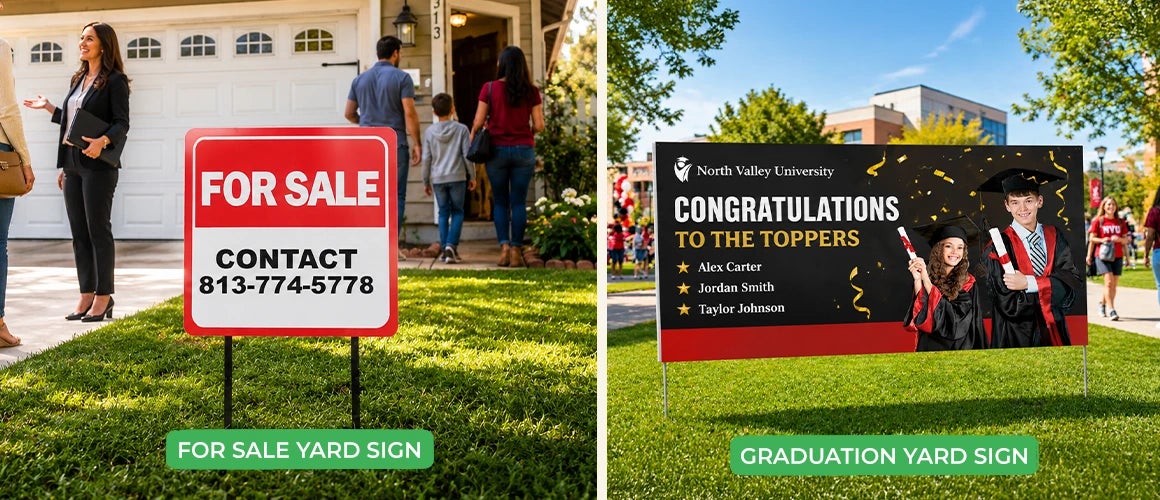
Whether you’re ordering custom yard signs for a business, event, campaign or property listing, outdoor durability is an important consideration. Most yard signs can last outdoors for several months, depending on the material, printing, weather exposure and installation. Corrugated plastic yard signs are commonly used for temporary outdoor displays because they are lightweight, waterproof and designed to handle normal outdoor conditions.
There is no single lifespan for every yard sign. A sign used for a short event or campaign may remain in excellent condition, while a sign left in direct sunlight, heavy rain or strong wind for an extended period may show wear sooner. Factors such as UV exposure, moisture, wind, printing quality and how securely the sign is installed can all affect how long it remains readable and structurally sound.
Understanding these factors can help you choose the right material for your intended display period and get the most value from your outdoor signage.
What Affects How Long a Yard Sign Lasts Outdoors?
Several factors can affect the lifespan and appearance of an outdoor yard sign.
Material
The sign material plays an important role in outdoor durability. Materials designed for exterior use generally handle moisture and changing weather conditions better than temporary indoor materials.
Corrugated plastic is commonly used for yard signs because it is lightweight, waterproof and suitable for outdoor applications. More rigid materials, such as aluminum, may be better suited to signs intended for long-term outdoor use.
Sun Exposure
Direct and prolonged exposure to sunlight can gradually fade printed colors. The amount of fading depends on factors such as the print method, ink quality and how many hours of direct sunlight the sign receives each day.
A yard sign installed in full sun throughout the day will generally experience more UV exposure than one placed in a shaded or partially covered area.
Rain and Moisture
Waterproof materials can handle normal rain without the sign material absorbing water or breaking down. Corrugated plastic, for example, does not absorb moisture in the same way as paper or cardboard.
However, moisture can still affect other parts of the display, including stakes, mounting hardware and areas that are repeatedly exposed to standing water or harsh weather.
Wind
Strong or frequent wind can place stress on a yard sign and its support system. Repeated movement may cause bending, damage around mounting points or problems with the stakes.
Choosing a suitable support system and installing the sign securely can help reduce unnecessary movement.
Printing Quality
The quality and type of printing can affect how well a yard sign maintains its appearance outdoors. Outdoor-appropriate printing is generally better suited to exposure to sunlight and changing weather conditions than printing intended primarily for indoor displays.
When ordering signs for extended outdoor use, it is worth checking whether the material and printing are intended for exterior applications.
Installation
Even a durable yard sign can become damaged if it is not installed properly. Stakes should be inserted securely, and the sign should be positioned so it remains stable under normal conditions.
A poorly installed sign is more likely to bend, fall or experience stress around its mounting areas.
Storage
If a yard sign is intended to be reused, storing it indoors when it is not in use can help extend its useful life. Keeping reusable signs away from unnecessary sunlight, moisture and physical damage can help preserve both the board and printed graphics.
Which Yard Sign Material Lasts the Longest?
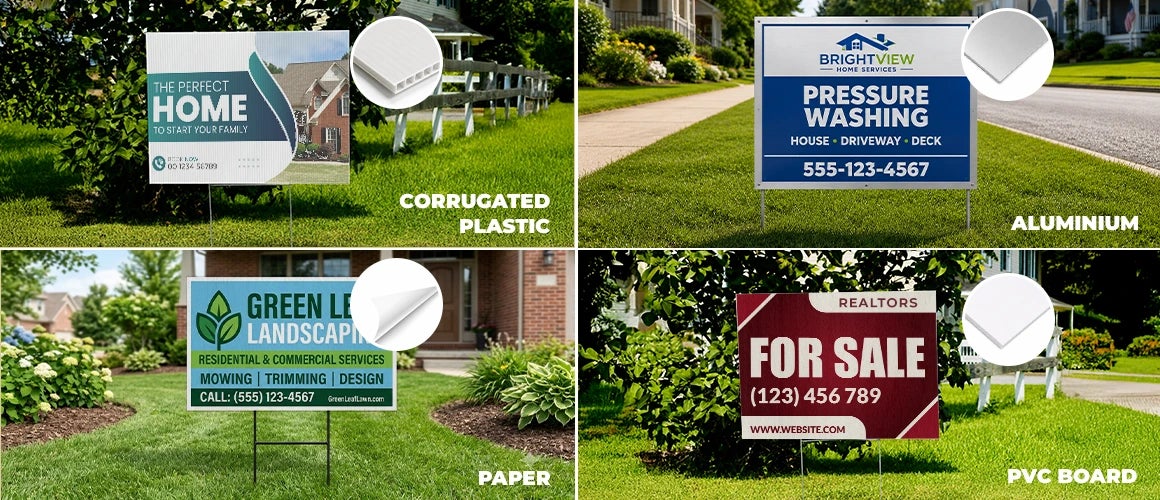
The best yard sign material depends on how long the sign needs to remain outdoors and the conditions it will face. When choosing custom signs for outdoor use, consider the expected display period as well as exposure to sunlight, rain and wind.
| Material | Relative Outdoor Durability | Best For |
|---|---|---|
| Corrugated Plastic | Moderate | Events, campaigns, property listings and temporary outdoor promotions |
| PVC Board | Moderate to High | Longer promotional displays and rigid signage |
| Aluminum | High | Long-term outdoor signage |
| Paper or Cardboard | Low | Very short-term use in sheltered locations |
Corrugated Plastic
Corrugated plastic is one of the most commonly used materials for outdoor yard signs. It is lightweight, waterproof and easy to install using compatible stakes.
It can be a practical option for political campaigns, real estate listings, events, business promotions and community messages that need to remain outdoors for a temporary period.
PVC Board
PVC board provides a more rigid option for signs that may require additional structural strength. Its suitability depends on the specific board type, thickness and intended outdoor application.
Aluminum
Aluminum is generally a stronger option for long-term outdoor signage. It is commonly chosen when a sign needs to remain in place for an extended period and withstand regular exposure to outdoor conditions.
Paper or Cardboard
Paper and cardboard are generally not suitable for prolonged outdoor exposure. Moisture and humidity can quickly affect their structure, making them better suited to temporary indoor or sheltered applications.
Are Corrugated Plastic Yard Signs Good for Outdoor Use?
Yes. Corrugated plastic is a popular material for temporary outdoor yard signs because it is lightweight, waterproof and suitable for outdoor applications.
The fluted structure also allows many corrugated plastic signs to be installed with compatible H-stakes, making them easy to place in lawns and other suitable ground surfaces.
Corrugated plastic yard signs can work well for:
- Business promotions
- Real estate listings
- Political campaigns
- Elections
- Open houses
- Community events
- Directional signage
- School and sports events
- Temporary announcements
The material is particularly useful when businesses and organizations need a practical outdoor sign that is easy to transport, install and remove.
How Does Weather Affect Yard Sign Lifespan?
Weather conditions can affect outdoor displays in different ways, particularly when they remain outdoors for an extended period.
Does Sunlight Damage Yard Signs?
Yes. Prolonged UV exposure can gradually fade printed graphics and affect the appearance of a yard sign over time.
The level of exposure matters. A sign placed in direct sunlight throughout the day will generally experience more UV exposure than one displayed in partial shade. Outdoor-appropriate printing and materials can help improve a sign’s ability to maintain its appearance during outdoor use.
Can Rain Damage a Yard Sign?
It depends on the material. Waterproof materials such as corrugated plastic are better suited to normal rain because they do not absorb water like paper or cardboard.
However, rain and moisture can still affect the overall display. Stakes, hardware and installation areas should also be suitable for outdoor conditions.
Does Wind Shorten a Yard Sign’s Lifespan?
It can. Repeated movement caused by strong wind can place stress on the sign board, edges and mounting points.
A securely installed sign with a suitable support system is less likely to move excessively under normal conditions. In locations that experience frequent or severe wind, the sign material and installation method should be selected accordingly.
Can Extreme Temperatures Affect Yard Signs?
Long periods of heat, cold and changing temperatures can contribute to wear over time. The extent of the impact depends on the material and the conditions in which the sign is displayed.
For signs intended for extended outdoor use, it is important to choose a material designed for the expected environment.
How Can You Make Yard Signs Last Longer Outdoors?
A few practical steps can help extend the useful life of outdoor yard signs.
Choose a Material Designed for Outdoor Use
Select a waterproof or weather-resistant material that matches the expected display period. Temporary promotions may only require corrugated plastic, while long-term installations may require a more durable rigid material.
Install the Sign Securely
Use compatible stakes or mounting hardware and make sure the sign is firmly installed. Reducing unnecessary movement can help prevent bending and stress around mounting points.
Avoid Unnecessary Weather Exposure
If a sign is only needed for a limited period, remove it once the promotion, event or campaign has ended. Leaving a sign outdoors longer than necessary exposes it to additional sunlight, rain and wind.
Place the Sign in a Suitable Location
Consider the conditions at the installation site. A highly exposed location may place more stress on the sign than a sheltered area.
Where possible, avoid locations where the sign will experience constant impact, excessive movement or standing water.
Store Reusable Signs Properly
When a reusable yard sign is not being displayed, store it in a clean, dry indoor location. Avoid placing heavy objects on top of the board, as this can cause bending or damage.
How Do Outdoor Signs Help Businesses Attract More Customers?

Outdoor signs can help businesses get noticed by people who are already passing nearby. A clear message, easy-to-read design and a relevant offer can encourage potential customers to stop, visit or learn more about a business.
For example, a bakery could place a custom yard sign outside its location to promote a limited-time morning special. A simple message such as “FRESH CROISSANTS – UNTIL 11 AM – COME IN” communicates the offer quickly without overwhelming people with too much information.
For outdoor use, the sign should also be made from a material suited to the expected weather conditions. This helps the message remain visible and presentable while the sign is being used.
How Do You Know When an Outdoor Yard Sign Needs Replacing?
An outdoor yard sign may need to be replaced when its message is no longer easy to read or when the board can no longer remain securely installed.
Common signs of wear include:
- Faded or difficult-to-read graphics
- Cracked or damaged edges
- Warping or bending
- Damaged mounting holes or stake areas
- A sign that no longer stays securely in place
- Visible deterioration that affects the appearance of the message
Replacing a worn sign can help ensure your message remains clear and professional.
Can You Reuse Yard Signs?
Yes. Many yard signs can be reused if the board remains straight, the graphics are readable and the mounting areas are still in good condition.
Reusable signs should be removed carefully and stored indoors between uses. Keeping them dry and protected from unnecessary sunlight and physical damage can help maintain their appearance.
Before reinstalling a sign, check both the board and the stakes or mounting hardware for signs of wear or damage.
How Should You Choose a Yard Sign Based on Its Expected Lifespan?
The expected display period should be one of the first factors you consider when choosing a yard sign.
For a short-term event, campaign or promotion, a lightweight material such as corrugated plastic may provide a practical solution.
For signage that needs to remain outdoors for a longer period, a more rigid and durable material may be a better choice.
Before ordering, consider:
- How long the sign will remain outdoors
- Whether it will receive direct sunlight
- The amount of rain and moisture at the location
- Whether the area experiences frequent or strong wind
- How the sign will be installed
- Whether the sign will be reused
Matching the material to the environment can help you avoid paying for more durability than necessary while still choosing a sign suitable for the intended conditions.
Final Thoughts
How long a yard sign lasts outdoors depends primarily on its material, printing, weather exposure and installation. Corrugated plastic yard signs are a practical choice for many temporary outdoor applications because they are lightweight and waterproof, while more durable rigid materials may be better suited to long-term installations.
To get the most from an outdoor yard sign, choose a material designed for the expected conditions, install it securely and remove or store it when it is no longer needed.
The right combination of material and installation can help keep your message visible, readable and in good condition throughout its intended display period.
Frequently Asked Questions
How long do yard signs typically last outdoors?
There is no single lifespan for every yard sign. A sign can remain useful for several months or longer depending on its material, printing, amount of sun exposure, weather conditions and installation.
Do yard signs fade in the sun?
Yes. Continuous exposure to UV rays can gradually fade printed graphics. The amount of fading depends on the printing, material and amount of direct sunlight the sign receives.
Are corrugated plastic yard signs waterproof?
Corrugated plastic is waterproof and does not absorb moisture like paper or cardboard, making it suitable for many outdoor applications.
Can rain damage a corrugated plastic yard sign?
Normal rain should not cause a corrugated plastic board to absorb water or break down. However, the stakes, mounting areas and overall installation should also be suitable for outdoor conditions.
Can I reuse a yard sign?
Yes. A yard sign can often be reused if the board remains straight, the graphics are readable and the mounting areas are undamaged. Store reusable signs indoors when they are not in use.
Does wind damage yard signs?
Strong or frequent wind can cause repeated movement that places stress on the sign board, edges and mounting points. Proper installation can help reduce unnecessary movement.
What is the best material for a long-term outdoor sign?
For signs intended to remain outdoors for an extended period, durable rigid materials such as aluminum may be more suitable than lightweight temporary boards. The best choice depends on the location, weather conditions and intended use.
How do I make a yard sign last longer?
Choose a material designed for outdoor use, install it securely, avoid unnecessary weather exposure and store reusable signs indoors when they are not needed.
How do I know when my yard sign needs replacing?
Replace a yard sign when the graphics become difficult to read, the board is cracked or warped, the mounting areas are damaged or the sign can no longer remain securely installed.