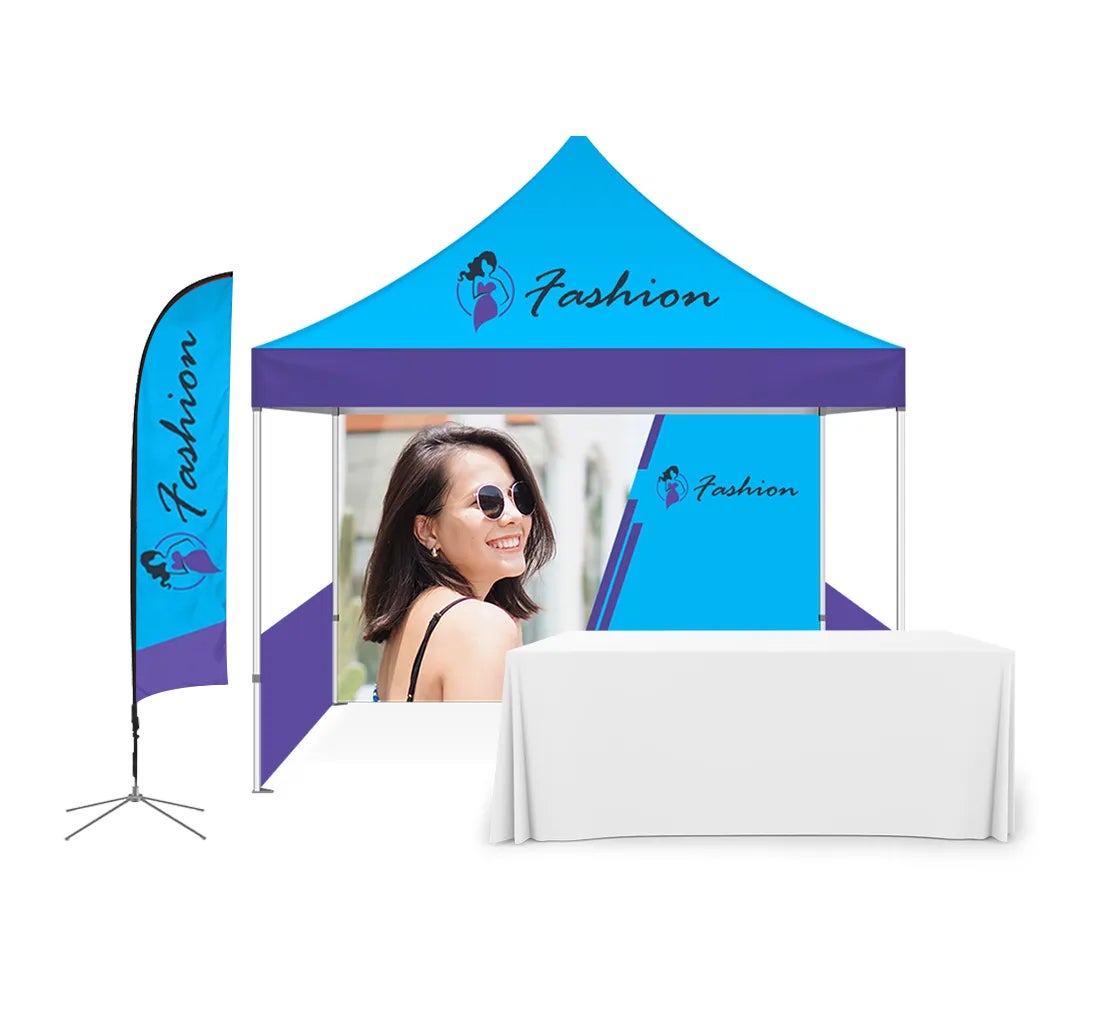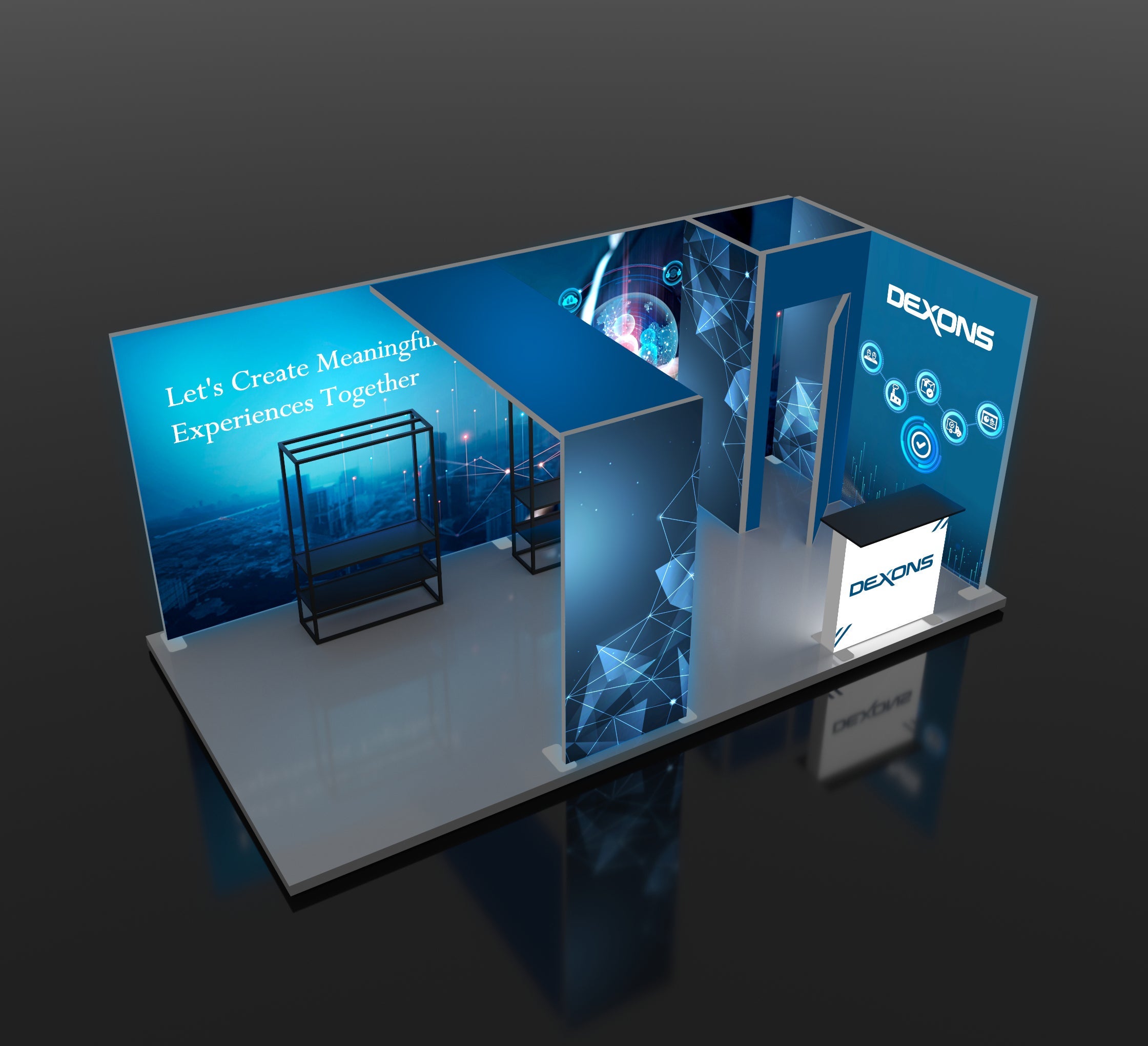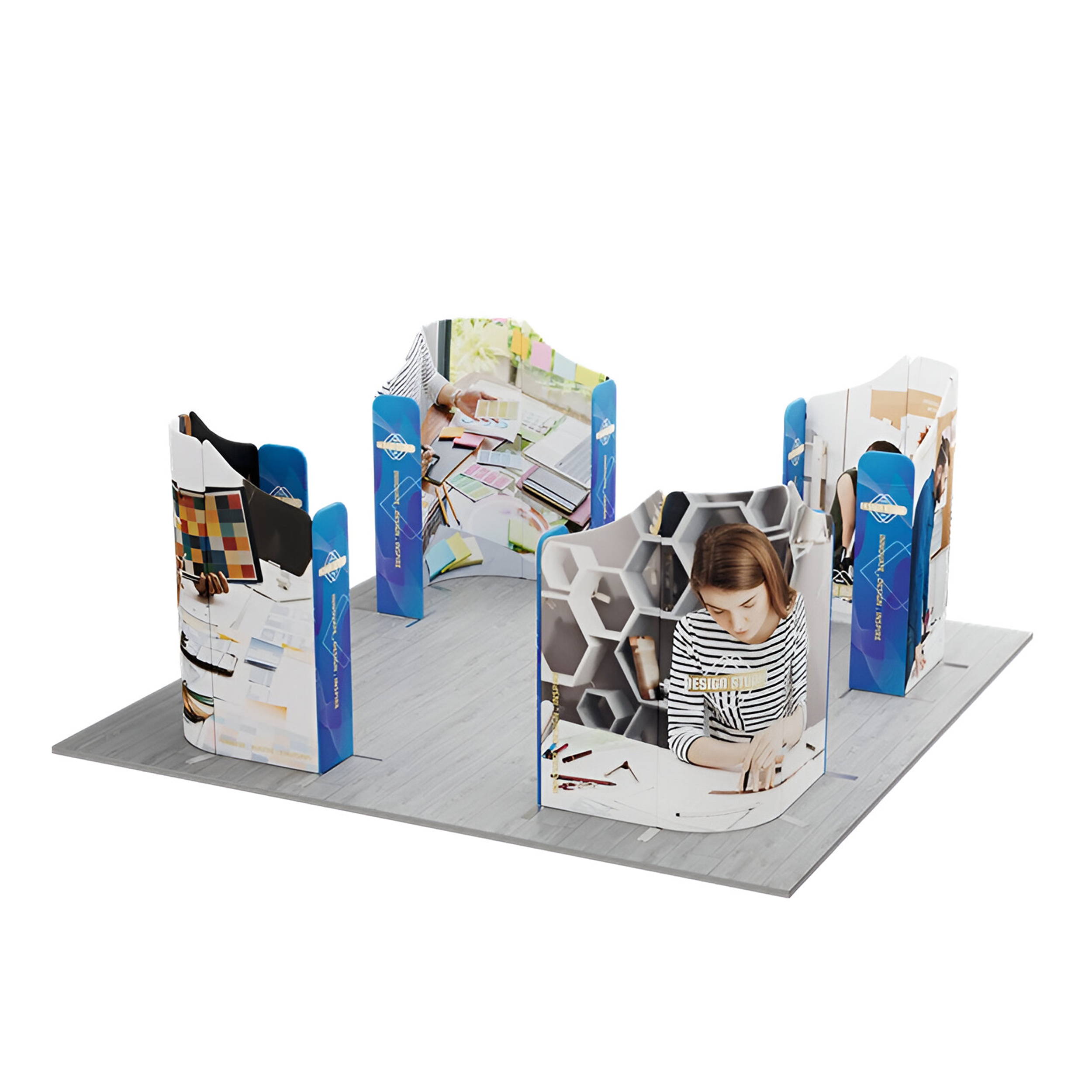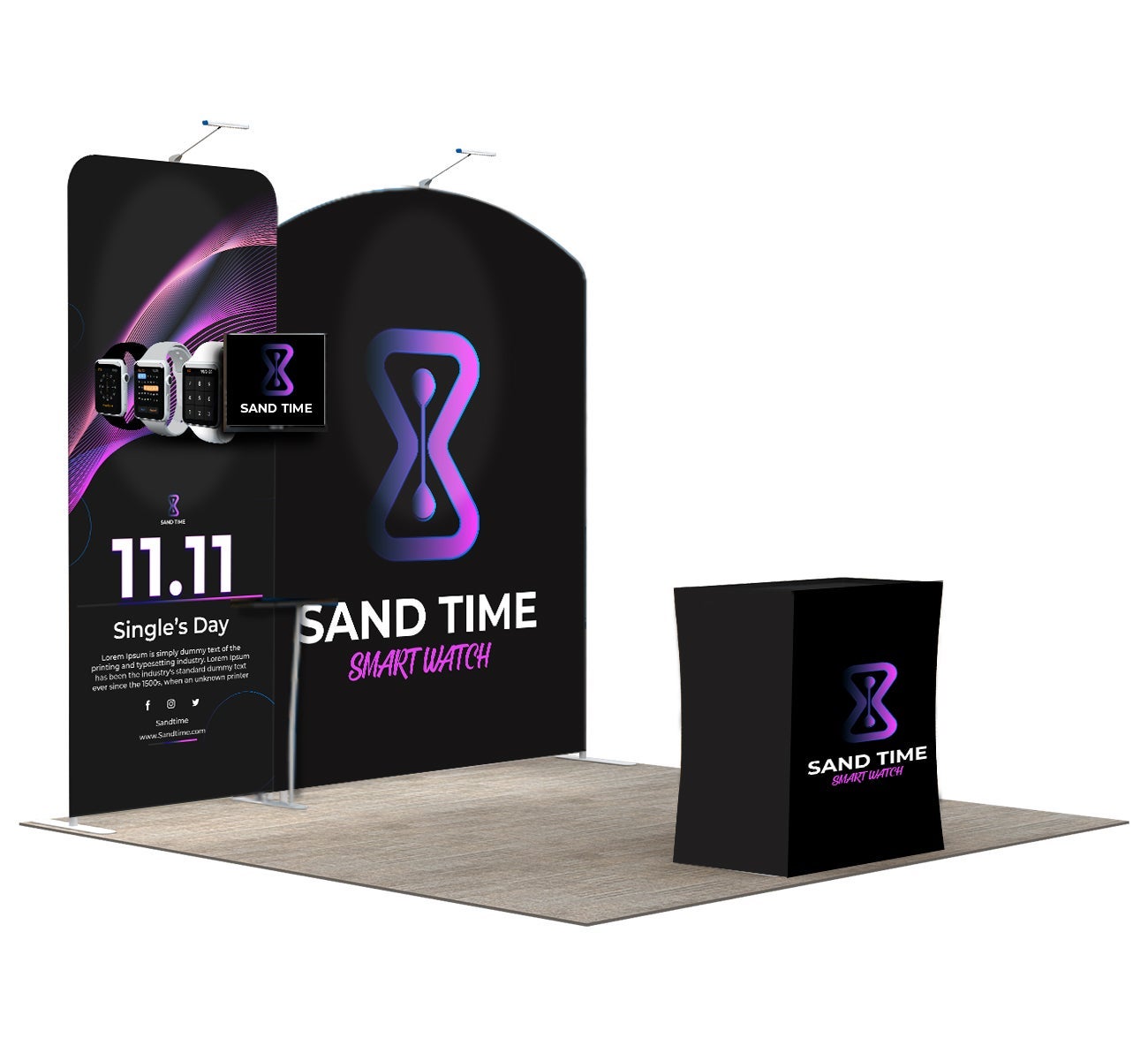
Trade shows create valuable opportunities for lead generation, networking, product launches, and brand visibility. Yet many exhibitors spend weeks preparing products and sales pitches while overlooking the physical setup details that shape first impressions. A polished booth can attract visitors, while a rushed or incomplete display can easily be ignored.
That is why every exhibitor needs a reliable trade show booth setup checklist before event day. The most successful booths are usually not the largest ones, they are the best prepared.
Popular Products
Why Setup Details Matter
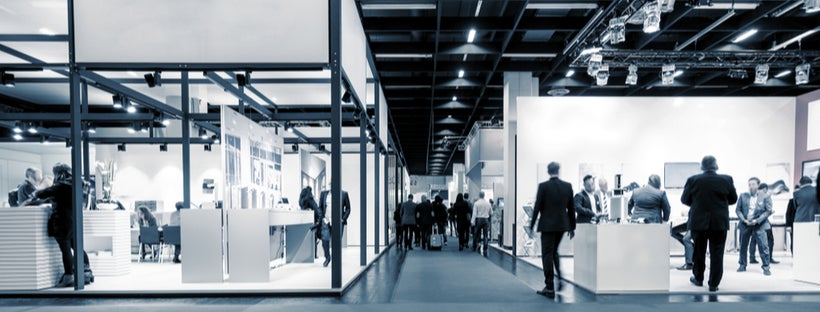
Attendees often decide within seconds whether to stop at a booth. If branding is unclear, messaging is confusing, or the space feels cluttered, foot traffic can drop quickly.
A strong trade show display should look organized, welcoming, and easy to understand from a distance. Preparation helps ensure your team spends time speaking with prospects instead of solving avoidable setup issues.
Start with Goals Before Setup
Before packing displays, define what success looks like. Some brands want leads, others want awareness, demos, partnerships, or direct sales.
Clear goals help guide your brand strategy and determine what materials, messaging, and staffing the booth actually needs.
Plan the Space Carefully
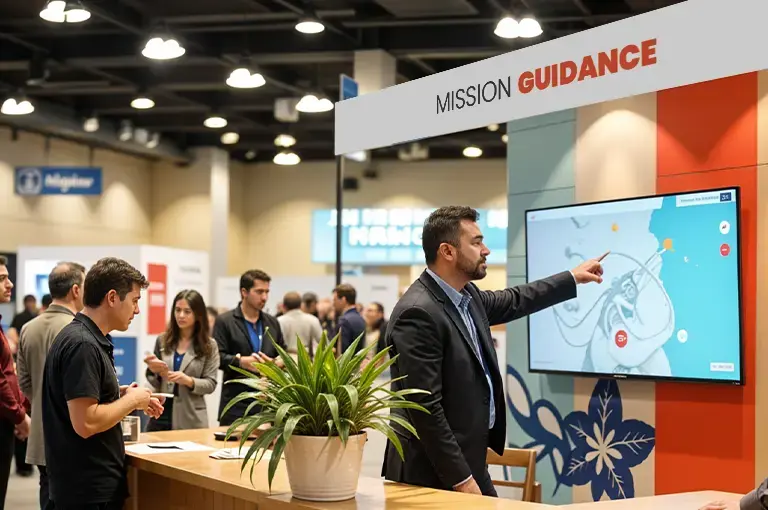
Many businesses forget to map how visitors will move through the booth. Poor traffic flow can create crowding, blocked entrances, or awkward conversations.
A practical booth layout should include visible entry points, open standing space, demo areas, storage access, and easy conversation zones. Visitors should understand where to go without needing instruction.
Confirm Your Display Structure
It is common for exhibitors to remember graphics but forget hardware pieces, connectors, or support accessories. Always inspect frames, stands, poles, clips, and transport cases before departure.
Your trade show essentials should include all structural components needed for a complete and stable setup.
Review Graphics Before the Event
Printed materials should never be opened for the first time on show day. Inspect for color quality, spelling, sizing, and damage well in advance.
Professional trade show booth graphics help visitors recognize your brand instantly and improve the overall appearance of the space.
Use Signage That Can Be Read Quickly

Busy show floors are full of distractions. If visitors cannot understand what you offer in seconds, they may keep walking.
Effective trade show signage should communicate who you are, what you do, and why it matters using clear headlines and readable fonts.
Don’t Forget Portable Visibility Tools
Many exhibitors focus only on the booth wall and ignore surrounding visibility opportunities.
Portable trade show banners can help attract attention from aisles, entrances, or nearby traffic zones while supporting your main booth message.
Add Height and Presence
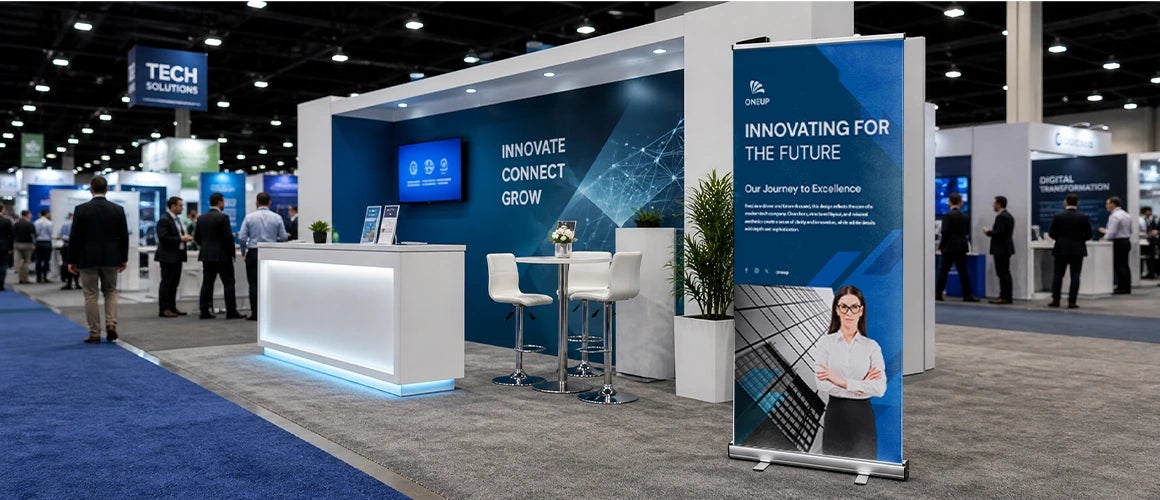
Vertical displays often improve visibility in crowded halls where many booths compete at eye level.
Retractable banners are useful because they are compact, easy to transport, and fast to assemble while giving your booth extra branded presence.
Build a Strong Background
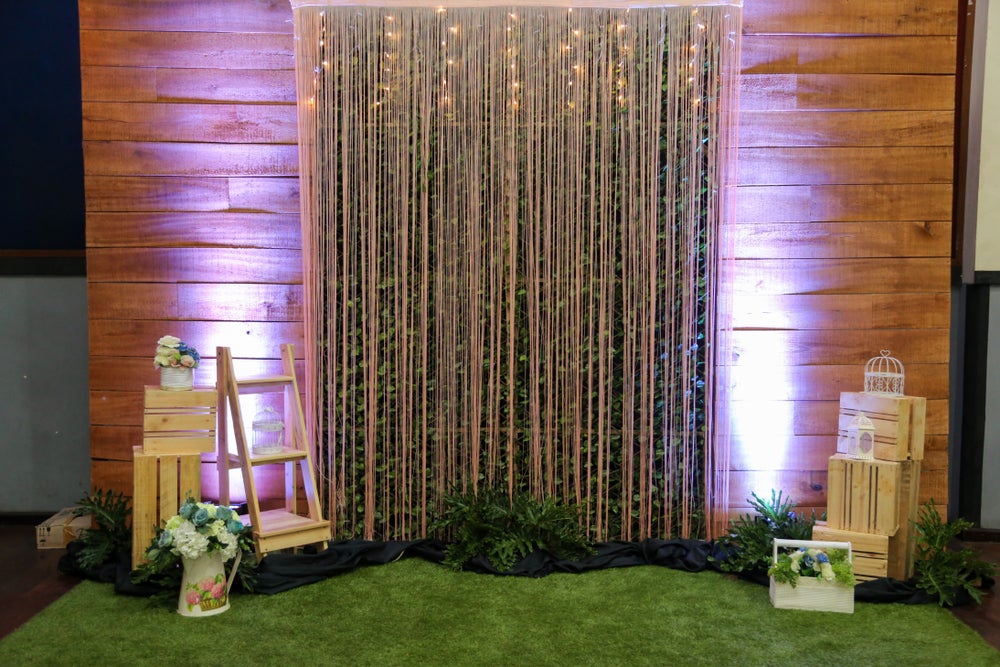
Your rear display wall often appears in photos, videos, and first impressions. A plain or cluttered back wall weakens presentation quality.
Well-designed custom backdrops help frame your space and create a more professional environment.
Make the Table Work Harder
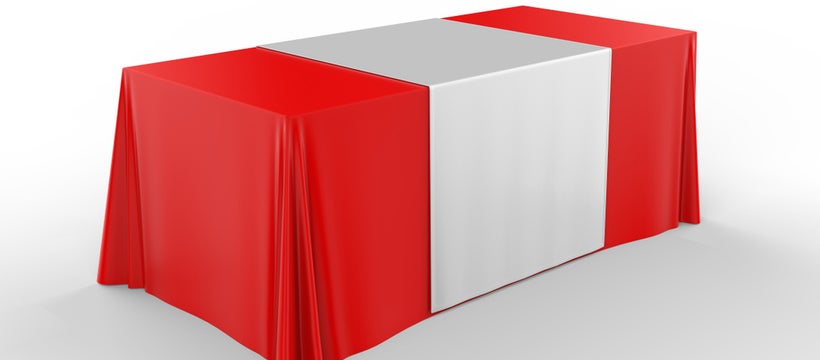
The table is often the center of conversations, product displays, and handouts. Bare tables can make booths look unfinished.
A branded custom tablecloth adds polish and turns functional furniture into useful display space.
For larger setups, custom table covers can create a cleaner appearance while hiding stored items underneath.
Bring Flexible Display Options
Every event floor is different. Having adaptable signage helps you respond to space limits or traffic flow changes.
Portable pop-up displays are practical for exhibitors who attend multiple shows and need quick setup solutions.
Prepare Printed Takeaways
Strong conversations are valuable, but attendees meet many vendors in one day. Give them something to remember.
Bring updated business cards that match booth branding and make follow-up easier after the event.
Useful trade show promotional materials such as brochures, flyers, catalogs, or sample packs can also extend engagement beyond the booth.
Use Surface Space Wisely
Some exhibitors overlook walls, counters, or side panels that could carry useful messaging.
Strategic wall graphics can highlight product categories, brand promises, or campaign visuals without using floor space.
Clean booth graphics also help tie all elements together so the booth feels consistent rather than pieced together.
Prepare Event-Specific Branding
Some events include media zones, sponsor areas, or photo opportunities where logos gain extra visibility.
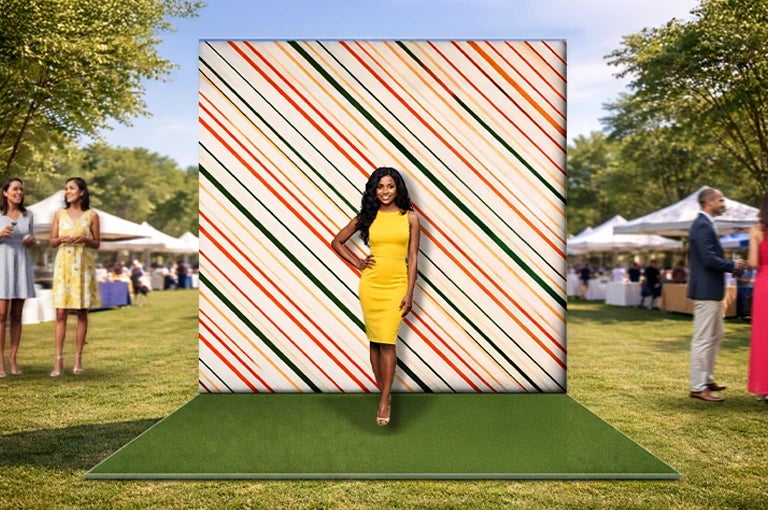
Step and repeat banners are ideal for branded photo backdrops, launches, or networking spaces where images may be shared later.
Keep Backup Materials Ready
Last-minute issues happen often. Bring extra tape, extension cords, chargers, cleaning cloths, zip ties, pens, and replacement print pieces.
A practical trade show booth setup checklist should always include small emergency items that save time under pressure.
Think Beyond the Booth Walls
Not every display needs to be rigid. Temporary promotions, directional messaging, or large-format announcements may need different materials.
Durable vinyl banners are useful for oversized graphics, sponsor walls, and flexible event messaging.
What Most Businesses Commonly Forget
Even experienced exhibitors overlook simple details. Review this final trade show setup checklist before departure:
- Updated contact materials
- Power strips and chargers
- Setup instructions
- Lighting accessories
- Storage solutions
- Cleaning supplies
- Lead capture tools
- Staff schedules
- Emergency repair kit
- Water and comfort items for the team
This type of exhibitor checklist often prevents stressful surprises on show day.
Design Should Support Results
Attractive visuals matter, but appearance alone is not enough. Smart trade show booth design should support conversations, product discovery, and easy movement through the space.
The best booths combine clear messaging, practical layout, and strong branding in a way that feels effortless to visitors.
Final Thoughts
A successful booth is usually the result of preparation, not luck. Businesses that plan graphics, materials, staffing, and setup details ahead of time create a stronger presence and smoother event experience.
Use a dependable trade show booth setup checklist before every show, and focus on the details that many competitors forget. Those small improvements often make the biggest difference in attracting attention and generating leads.