A business can have a great product, a solid location, and even a decent marketing budget, but if nobody notices it, none of that helps much.
That is where signs come in.
Good signage does a very simple job: it gets attention, gives direction, creates memory, and helps people decide what to do next. That might mean walking into your shop, spotting your stall at an event, pulling into your restaurant, calling your number off a board, or remembering your brand after passing it on the road. For something so everyday, signs do a surprising amount of heavy lifting.
And the best part is, there is no one-size-fits-all answer. Different businesses need different formats. A café does not need the same thing as a real estate office. A sale weekend does not need the same setup as a long-term storefront. That is why understanding the main types of signs matters. Once you know what each category does well, it becomes much easier to choose the ones that actually help your business instead of just adding visual clutter.
This guide breaks down the most useful types of signage for modern businesses and the products that usually sit under each category. If you have ever wondered which types of signs for business are worth investing in, this is a good place to start.
Popular Products
Why Signs Still Matter in a Very Digital World
People love to talk as if everything has moved online, but the truth is more mixed than that. Yes, digital marketing matters. Social media matters. Search matters. But physical visibility still matters too.
A sign catches people when they are already moving through the real world. It reaches them on the pavement, from a passing car, in a shopping district, at an exhibition hall, outside a restaurant, or at the entrance to a local event. That kind of visibility is immediate. It does not rely on algorithms or ask people to open an email. It simply shows up in front of them.
That is why marketing signage still works so well. It supports all the digital activity happening behind the scenes and turns your physical space into part of the brand experience.
The smartest businesses usually do not treat signage as decoration. They treat it as communication.
1. Outdoor Signs

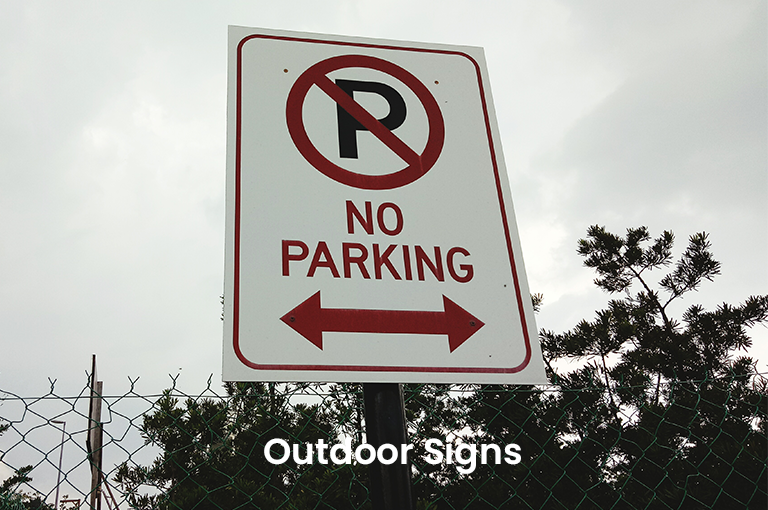
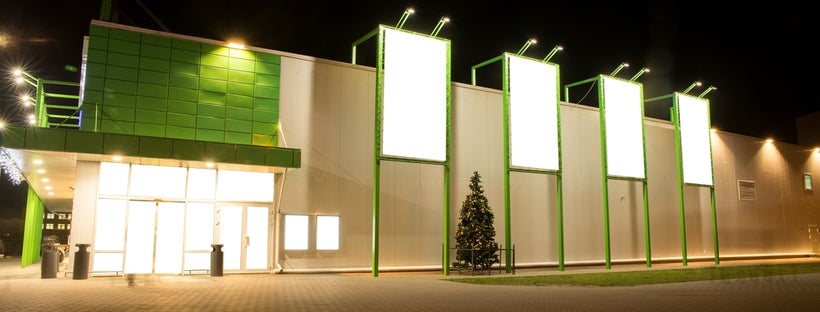
Outdoor signs are often the first type of sign people notice, and for good reason. It gives businesses visibility where it matters most.
These signs sit outside the business and do the hard work of visibility. They help people spot your location, recognize your brand, and understand very quickly what kind of place they are looking at. This is particularly important in busy streets, retail strips, event spaces, and commercial areas where attention is already being diverted in multiple directions.
Under this category, you usually find products like advertising flags, banners, hanging banners, and directional signs. Each of them serves a slightly different purpose.
Flags are great for movement and long-distance visibility. Banners are better for broad messaging, event promos, and temporary campaigns. Hanging options work well when you want your branding visible from above eye level. Directional pieces are useful when you need to guide people rather than simply attract them.
This is also where broader business signage often starts. If the outside presence is weak, the inside message may never even get a chance.
2. Yard Signs
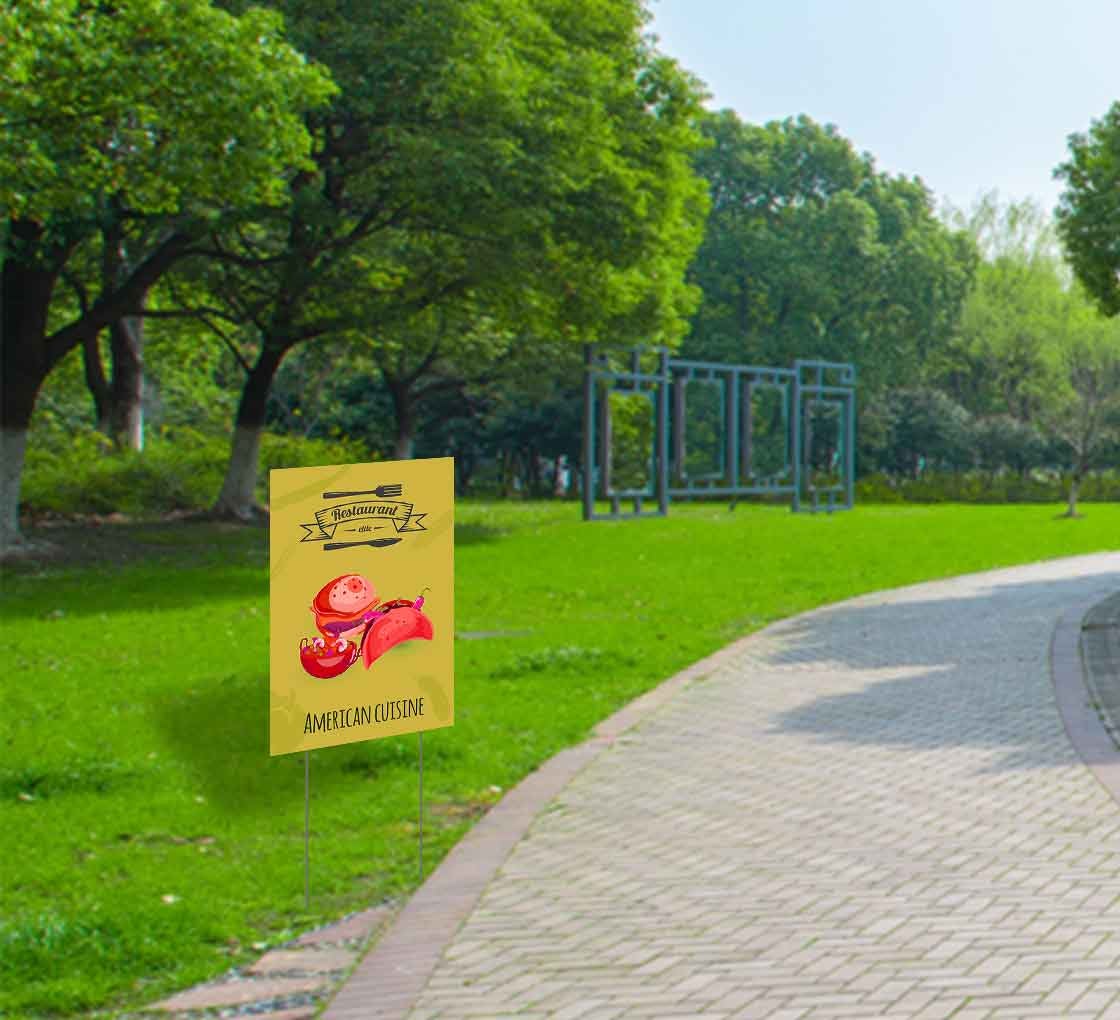
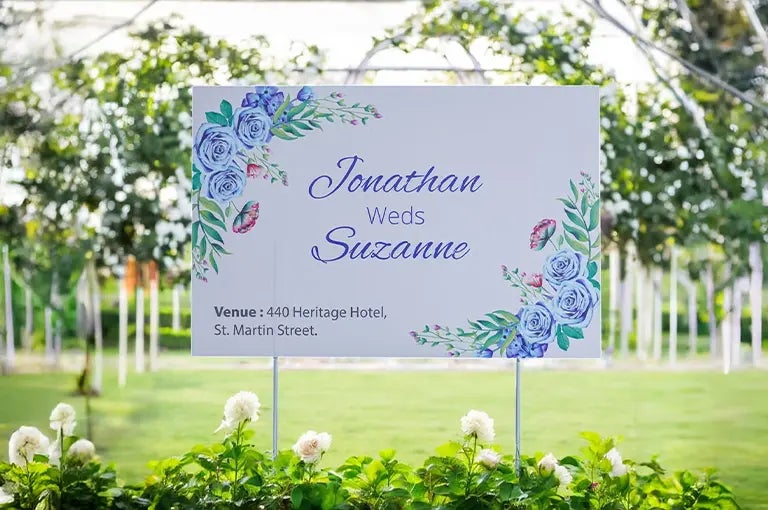
Yard signs are simple, but they are one of the most practical tools around. They work especially well when the message needs to be local, short, and easy to understand at a quick glance. That is why they show up so often at school events, political campaigns, local service promotions, open houses, community announcements, and temporary sales.
The strength of yard signs is that they are easy to place, easy to move, and easy to produce in quantity. They do not demand a huge setup. They just need the right message and a location where people can actually see them.
They work particularly well for neighborhood campaigns, local launches, pop-up promotions, and service businesses that want visibility in a specific area. If the audience is local, this format usually makes sense.
3. Rigid Signs
Rigid signs are the more structured, durable side of the signage world.
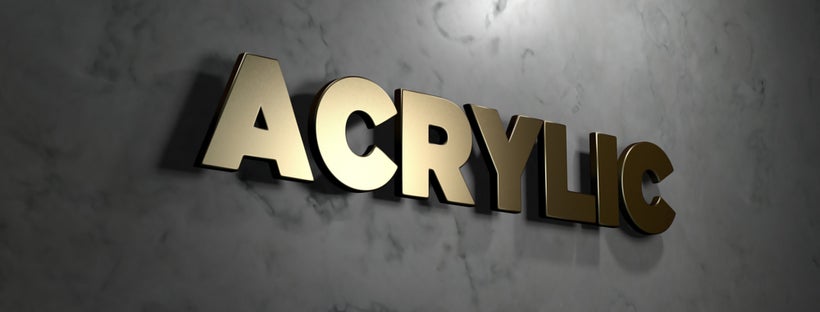
Unlike softer or more flexible formats, these are made for situations where the sign needs to feel stable and lasting. They are commonly used for storefront branding, long-term notices, property boards, directional markers, health and safety instructions, and display panels.
The real advantage here is permanence. Rigid signs feel more substantial, which makes them useful when you want the message to stick around and look professional while doing it.
They are especially good for businesses that need something stronger than fabric or temporary print materials. If the sign needs to survive weather, regular handling, or longer-term use, rigid formats often make far more sense than softer alternatives.
4. Sales Signs
This category is all about urgency.
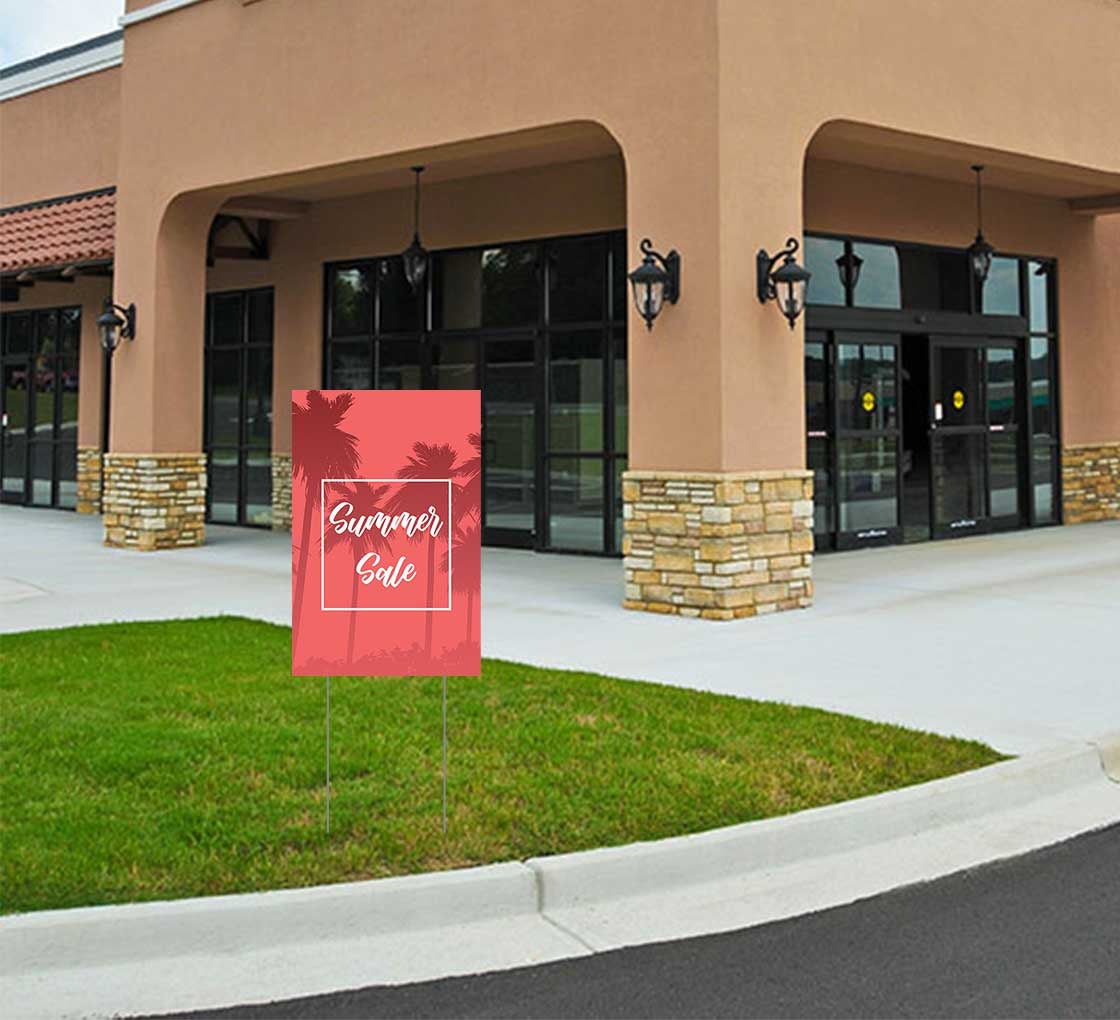
Sales signs are built to make people stop, look, and react. They are not there to tell your whole brand story. They are there to push attention toward an offer, a discount, a limited-time deal, or a promotion that needs immediate visibility.
This is where sign types become less about aesthetics and more about action. The message has to land fast. Big percentage-off offers, launch announcements, festive promotions, stock-clearance messages, and seasonal campaigns all sit comfortably in this category.
A lot of businesses also use banner signs and posters for business under this umbrella because they are easy to update and work well for quick-turn campaigns. Retail stores, salons, cafés, gyms, and local services all rely on this category more than they often realize.
If the aim is speed and attention, sales signs are usually doing the heavy lifting.
5. Restaurant Signs
Restaurants need a slightly different kind of visual language.
A restaurant sign is not just about visibility. It is also about atmosphere. It should tell people something about the place before they even step inside. Casual, premium, cozy, family-friendly, trendy, quick-service, retro, minimalist. The right sign style can effectively communicate all of that.
This category usually includes storefront name signs, menu boards, entrance displays, hanging signs, pavement signs, promotional boards, and illuminated features. Restaurants often need a mix of practical and mood-setting signage, which is why this category tends to be a little more layered than others.
A good restaurant sign gets attention, yes, but it also helps shape expectation. That matters a lot in hospitality.
6. Decals and Stickers
This is one of the most flexible categories because it lets businesses brand surfaces they are already using.
Decals and stickers can go on windows, walls, packaging, floors, counters, vehicles, mirrors, or doors. They work because they do not need extra space. They turn existing space into branded space.
The most common products here include window decals and vehicle decals. Window decals are brilliant for shopfront messaging, opening hours, logo placement, promotions, and privacy branding. Vehicle decals are useful for turning cars, vans, or delivery vehicles into mobile advertising.
This is also where car decals become especially useful for service-based businesses. A plumbing van, bakery delivery vehicle, cleaning service car, or event support vehicle can all become moving brand visibility with almost no extra effort.
The strength of this category is subtle efficiency. It uses the surfaces you already have.
7. A-Frame Signs
Few sign formats are as practical at street level as A-frame signs.
They are simple, portable, and extremely useful when you want to catch passing foot traffic. Cafés use them. Salons use them. Boutiques use them. Restaurants use them. Event organizers use them. The reason is obvious: they sit right in the path of people already walking past.
This makes them especially strong for daily offers, directional messages, walk-in promotions, special menus, pop-up notices, and local announcements. They can be moved easily, updated regularly, and placed exactly where the attention is needed most.
If your business depends on people physically walking by, A-frames are one of the smartest low-effort tools you can have.
8. LED Neon Signs

LED neon signs sit in that sweet spot between branding and atmosphere.
They are bright enough to pull attention, stylish enough to become part of the décor, and flexible enough to work for retail spaces, cafés, bars, beauty studios, event booths, and social-media-friendly interiors. They are especially good when a brand wants something visible but not overly formal.
The nice thing about LED neon is that it does not just say something. It also creates a mood around that message. That is why businesses often use them for slogans, brand names, hashtags, playful sayings, or standout wall features.
They work especially well in spaces where visual identity matters as much as practical visibility.
9. LED Neon Letters
This category is a little more focused than general neon signage.
LED neon letters are ideal when the business name itself needs to become the feature. Instead of treating the sign like a panel, this format lets the lettering act as the main design object. That tends to look cleaner, more modern, and more intentional in certain interiors.
These are often used in receptions, salons, restaurants, cafés, exhibition booths, photo walls, and statement storefronts. They are popular because they feel current without being too clinical.
When used well, they create recognizable brand moments. The kind people photograph, remember, and associate with your space.
10. Real Estate Signs
Real estate probably has some of the clearest signage needs of any industry.
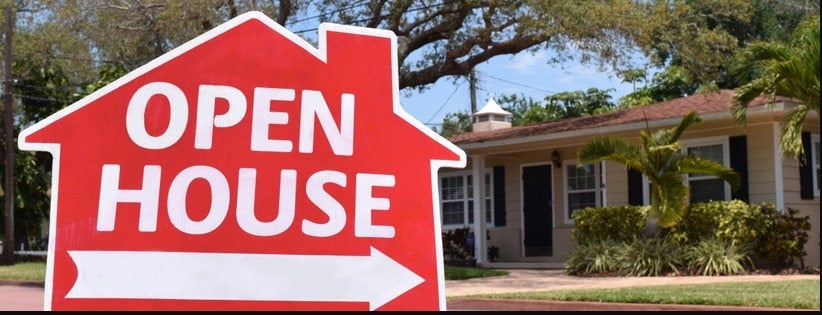
A property sign has to communicate quickly and without confusion. It must show the right information, feel trustworthy, and be visible from the road or pavement without making the design feel overloaded. This is why real estate signs often appear simple – it has a specific purpose to fulfill.
This category includes for-sale boards, open-house signs, directional signs, site branding boards, and promotional property signage. It overlaps naturally with yard signs and rigid signs, but the real estate context gives it its own place because the use case is so specific.
If any category shows how important clear advertising signs can be, it is this one. Property marketing depends heavily on visibility, clarity, and trust at a glance.
Which Sign Works Best for Which Business?
The truth is, most businesses do not need just one sign. They need a small system.
A shop may need an outdoor sign, a window decal, and a sale board, while a restaurant might rely on a storefront sign, menu display, neon feature, and pavement sign. Real estate agencies often use property boards, open-house arrows, and office branding, and event businesses may need hanging banners, directional signs, flags, and rigid boards all at once.
That is why it helps to think less in terms of “the best sign” and more in terms of “the right mix.”
Some formats attract attention. Some create mood. Some push action. Some guide movement. Some reinforce the brand after people have already noticed it.
The best setup usually combines those roles rather than forcing one sign to do everything.
How to Choose the Right Sign for Your Business
Start with purpose.
Are you trying to be seen from far away? Guide people once they arrive? Push an offer? Add atmosphere? Create a permanent storefront identity? Promote a temporary event? The answer changes the format immediately.
Then think about location.
Indoor and outdoor settings behave very differently, which is why businesses often need a mix of indoor & outdoor signs rather than one universal solution. Weather, foot traffic, wall space, viewing distance, and lighting all affect what will work.
Then think about how long the sign needs to last.
A two-day event does not need the same structure as a year-round storefront sign. Temporary promotion, reusable event signage, and permanent branding all need different materials and formats.
And finally, think about what the sign is really supposed to say. A complicated message usually becomes a weak sign. The best ones are usually clear, focused, and easy to understand at a glance.
Final Thoughts
There are a lot of sign options out there, and that can make the whole thing feel more complicated than it really is.
But once you break it down by purpose, the picture becomes clearer. Outdoor signs help people spot you. Yard signs spread local awareness. Rigid signs create a stronger permanent presence. Sales signs drive urgency. Restaurant signs shape expectation. Decals turn existing surfaces into branding space. A-frames catch passing traffic. LED neon adds atmosphere. Real estate boards push visibility where it matters.
That is really the point of understanding the main types of signs for business. Not so you can buy everything. So you can choose the right tools for the job.
The best signage is not just attractive. It is useful. It gets seen, understood, and remembered.
And when that happens, the sign is doing exactly what it was made to do.