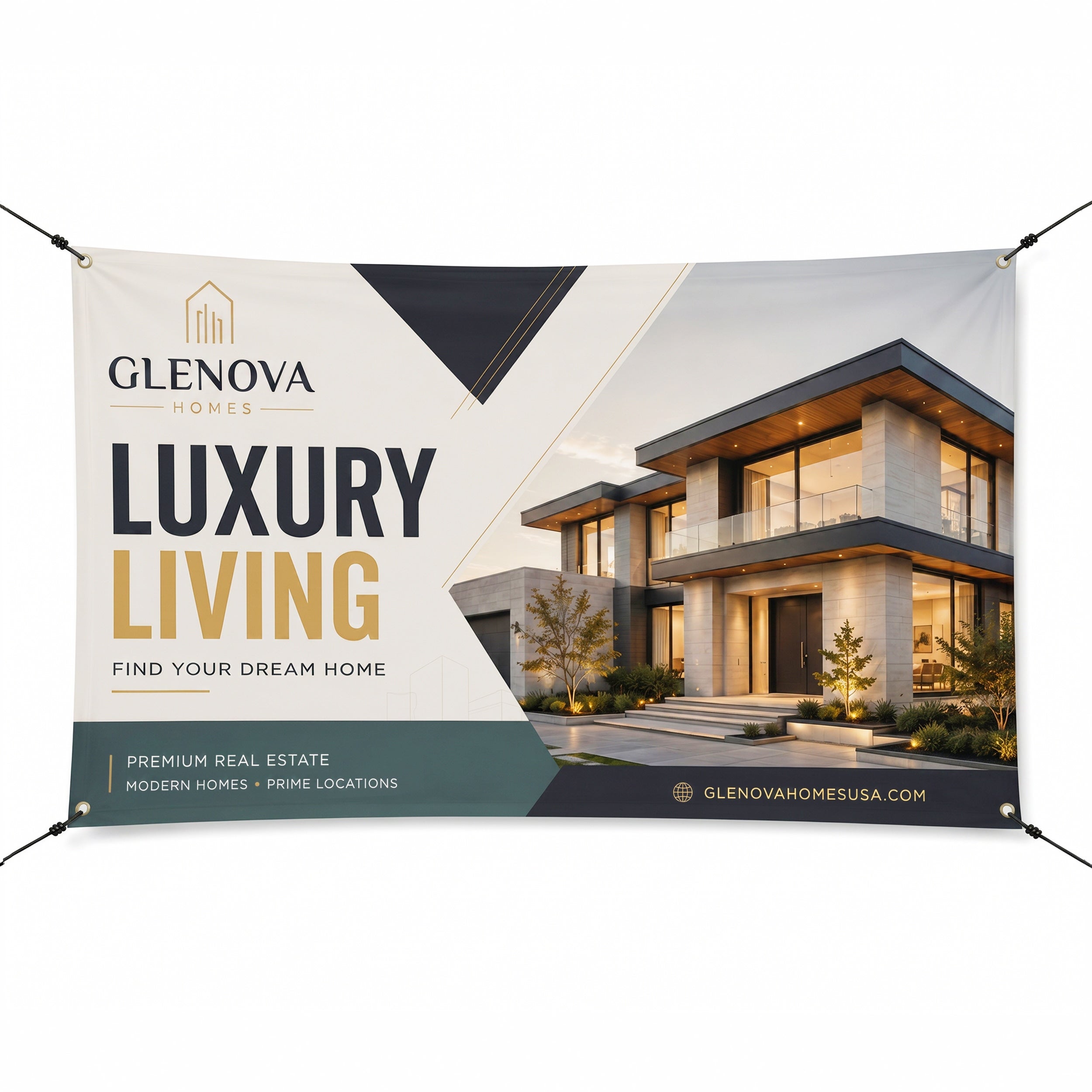
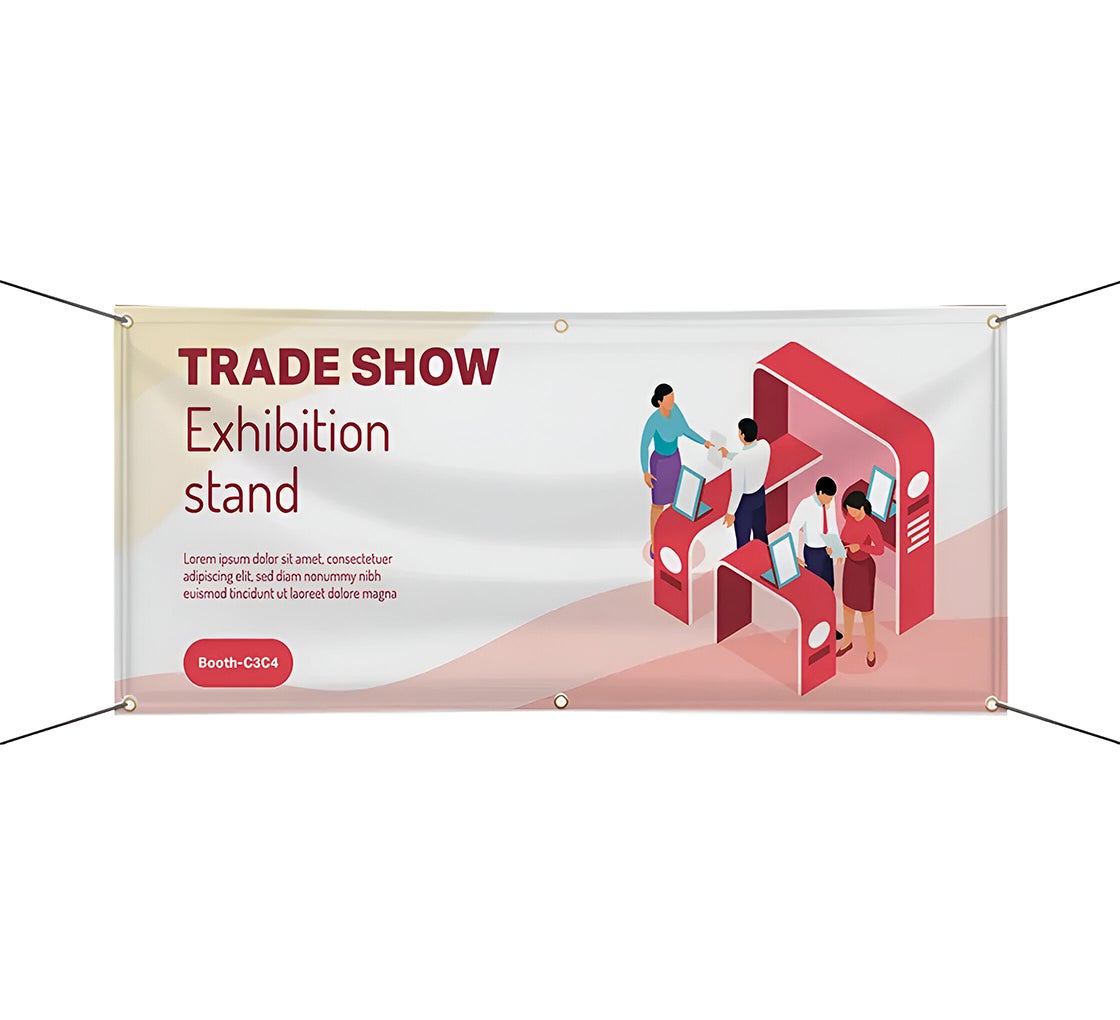
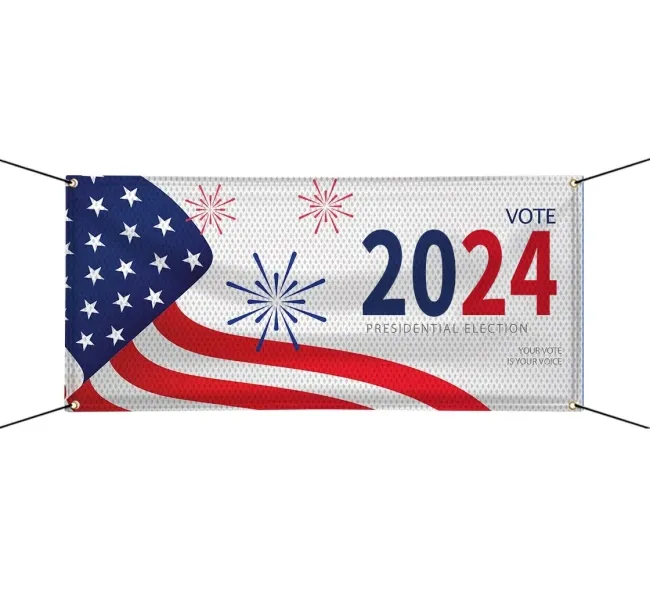
From the moment Johannes Gutenberg pressed his first metal type into paper, the world changed forever. Information was no longer the plaything of the elite; it became a tide that lifted all of humanity. Today, we live in a world saturated with color and text, yet we rarely stop to consider the complex variations of printing that make our visual world possible. Whether you are a small business owner looking for a new sign, planning banner printing for outdoor promotions, or a designer crafting a luxury brand, understanding different types of printing is the first step toward a successful project.
The evolution of this craft has led to a massive array of printing methods that cater to everything from massive billboards to tiny electronic circuits. When embarking on a new marketing campaign, the dilemma of which printing technique is perhaps the best depends entirely on your budget, volume and material. While we often think of physical printing as an old-fashioned trade, it remains a multi-billion dollar industry that continues to push the boundaries of what is possible.
From books and packaging to custom apparel and promotional products, printing plays a critical role in how businesses communicate visually. Even in a digital-first world, the printing industry continues to power branding, marketing, manufacturing and publishing. However, not all printing methods work the same way. Each printing technique is designed for different materials, production volumes and quality levels. Choosing the wrong method can result in higher printing costs, poor resolution or production delays.
Popular Products

What This Guide Covers:
- The 12 most important types of printing used in modern commerce.
- How different printing methods operate on a mechanical level.
- Advantages and disadvantages of every major printing technology.
- Strategic advice on how to choose the right printing method for your next big project.
What Is Printing?
At its core, printing is the process of transferring text, images or graphics onto a surface using ink and toner or other specialized pigments. While it began with wooden blocks and heavy presses, it has evolved into a sophisticated dance of lasers, heat and chemistry. This physical printing act transforms a digital concept into a tangible reality that people can hold, wear or see from a mile away.
Common Materials Used in Printing
The versatility of the print industry is evident in the wide range of surfaces we can now decorate. Whether it is standard printing paper for a brochure or heavy-duty aluminum for a sign, the choice of material dictates the ink chemistry used. Beyond paper, modern shops regularly print on fabric, plastic, metal, glass and even raw wood. These various print materials require specific surface treatments to ensure the ink bonds correctly and lasts for years.
Why Different Printing Methods Exist
Different printing methods exist because projects vary widely in their requirements. A small business might need ten vinyl posters for a weekend sale, while a global corporation needs a million cereal boxes. Factors such as color requirements, durability needs and production speed determine the most efficient path forward. Understanding different types of printing allows you to optimize your budget without sacrificing the visual punch your brand needs.
Quick Comparison of the 12 Printing Methods
| Printing Method | Best For | Setup Cost | Print Volume | Materials |
| Offset Printing | Books & magazines | High | Large | Paper |
| Digital Printing | Short runs | Low | Small–Medium | Paper |
| Screen Printing | Apparel | Medium | Medium | Fabric |
| Flexographic Printing | Packaging | High | Large | Plastic |
| Gravure Printing | High-end magazines | High | Very Large | Paper |
12 Types of Printing Methods
1. Offset Printing
Offset printing is one of the most widely used commercial printing methods, especially for high-volume jobs like newspapers and catalogs. The process works by transferring ink from a metal plate to a rubber blanket and then onto the final surface. It offers extremely high image print quality and becomes very cost-effective as the volume increases. However, the high setup costs make it impractical for small custom orders.
– Advantage: Best choice for bulk printing with consistent quality.
– Disadvantage: Expensive and time-consuming for small orders.
2. Digital Printing
For those who need speed, digital printing transfers digital files directly onto surfaces without the need for expensive plates. It is ideal for short runs of marketing materials like flyers or business cards where a fast turnaround is essential. While it has lower setup costs than offset, the per-unit price remains higher for very large quantities.
– Advantages: Fast production with easy customization.
– Disadvantages: Higher cost per piece for bulk jobs.
3. Screen Printing
Screen printing pushes thick ink through a mesh stencil and is the gold standard for clothing and promotional products. It creates incredibly durable prints with vibrant colors that can withstand dozens of washes. It is a versatile choice that works on many materials, although the setup process is slower than digital alternatives.
– Advantages: Long-lasting prints with vibrant colors.
– Disadvantages: Slower setup for small or urgent orders.
4. Flexographic Printing

Flexographic printing uses flexible relief plates and is the powerhouse of the packaging sector. It is uniquely suited for printing on plastic packaging and food wrappers at incredible speeds. This method is the backbone of print production for major consumer goods companies worldwide.
– Advantages: Excellent for fast, high-volume packaging jobs.
– Disadvantages: Plate creation can be costly for short runs.
5. Gravure Printing
Gravure printing uses engraved cylinders to transfer ink and is known for producing extremely detailed image quality. It is excellent for massive production runs of high-end magazines and wallpaper. Because of the cost of engraving the cylinders, it is only used for the highest volume industrial printing tasks.
– Advantages: Outstanding image detail and consistency.
– Disadvantages: Very high setup costs.
6. Letterpress Printing
As one of the oldest printing techniques, letterpress creates a distinctive pressed texture that you can actually feel. It is a favorite for luxury invitations and premium stationery where a tactile, artisan finish is required. Today, letterpress printing is synonymous with high-end, bespoke branding.
– Advantages: Unique and premium appearance.
– Disadvantages: Slower process with higher production costs.
7. Inkjet Printing

Inkjet printing sprays microscopic droplets of ink directly onto the surface to create high-resolution photos. It is the most common technology for home offices and professional photo studios alike. Its ability to produce a wide color gamut makes it perfect for high-quality posters and fine art reproductions.
– Advantages: Great color quality for photos and graphics.
– Disadvantages: Ink costs can be high over time.
8. Laser Printing
For office documents and sharp text, laser printing uses a laser beam and dry toner powder to create precise images. It is known for its fast speeds and the ability to produce crisp black text that doesn’t smudge. Most professional reports and internal business documents are produced using this efficient technology.
– Advantages: Fast printing with crisp text quality.
– Disadvantages: Less effective for photo-quality color prints.
9. Pad Printing
Pad printing uses a silicone pad to transfer ink, which allows for printing on uneven or curved surfaces. It is highly precise and is used for small items like electronics, golf balls and promotional pens. This method solved a major problem in the print industry regarding non-flat substrates.
– Advantages: Prints accurately on curved or irregular items.
– Disadvantages: Limited print area for larger designs.
10. Dye Sublimation Printing
Sublimation printing uses heat to turn dye into a gas that then infuses into polyester fabrics or coated products. It results in long-lasting prints that never crack or peel, making it perfect for custom apparel and photo gifts. The colors produced by this method are exceptionally vivid and resistant to fading.
– Advantages: Durable prints with vivid colors.
– Disadvantages: Works mainly on polyester or coated surfaces.
11. UV Printing
LED UV printing uses ultraviolet light to instantly cure the ink during the process, resulting in a nearly indestructible finish. It is a favorite for large format printing because it can print on unconventional surfaces like wood and glass. This method is widely used for durable outdoor signage and high-end promotional items.
– Advantages: Prints on many surfaces with long-lasting results.
– Disadvantages: Equipment can be expensive to operate.
12. 3D Printing
Unlike other methods that apply ink to a surface, 3D printing builds physical objects layer by layer from a digital model. It has revolutionized manufacturing by allowing for rapid prototyping and highly customizable parts. Today, 3D technology is used for everything from medical devices to complex engineering components.
– Advantages: Ideal for customized parts and prototypes.
– Disadvantages: Slower than mass production for large quantities.
How to Choose the Right Printing Method
When you are deciding which printing method is best, start with your volume. Large runs of a million units almost always require offset or flexographic solutions to keep costs down. For short runs of a few hundred items, digital is the clear winner. If you are printing on print substrates like fabric, screen printing or sublimation are your best bets. Always balance your budget against the required print quality to ensure the final product represents your brand well.
Print Finishing Techniques
Once the print media has been through the press, finishing techniques can further elevate the quality. Lamination adds a layer of protection and can provide a gloss or matte finish. Foil stamping and embossing add a 3D texture and metallic shine that catch the eye. These extra steps in print production are what turn a standard flyer into a premium marketing piece.
Future Trends in the Printing Industry
The future of the industry is focused on sustainability and “on-demand” efficiency. We are seeing a rise in LED UV printing because it reduces energy consumption and chemical waste. Smart packaging, which can be scanned to reveal digital content, is also becoming a major trend. As printing technology continues to advance, the link between physical and digital branding will only grow stronger.
Conclusion
Understanding these 12 types of printing methods helps you select the best technique based on your specific goals. Whether you are ordering billboard printing or a simple set of cards, the right choice ensures professional results. Print advertising remains a tactile, trusted way to reach customers in a crowded market. If you’re planning a print project, consult with a professional to determine the best industrial printing path for your needs.
Printing Types FAQs
1. What are the main types of printing?
The primary commercial types include offset, digital, flexography and screen printing.
2. What printing method is best for packaging?
Flexography is typically used for flexible packaging, while offset is used for high-end boxes.
3. What printing method is best for clothing?
Screen printing and sublimation are the most popular choices for apparel.
4. Which printing method is the cheapest?
Digital is cheapest for small quantities, but offset is the most affordable for very large runs.
5. What printing method works on plastic?
UV printing and flexography are both excellent for plastic substrates.