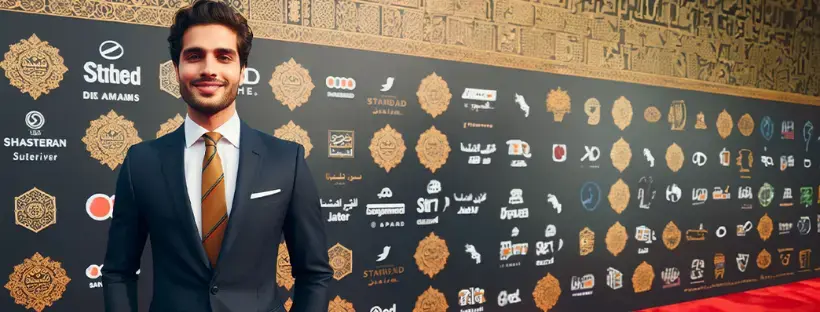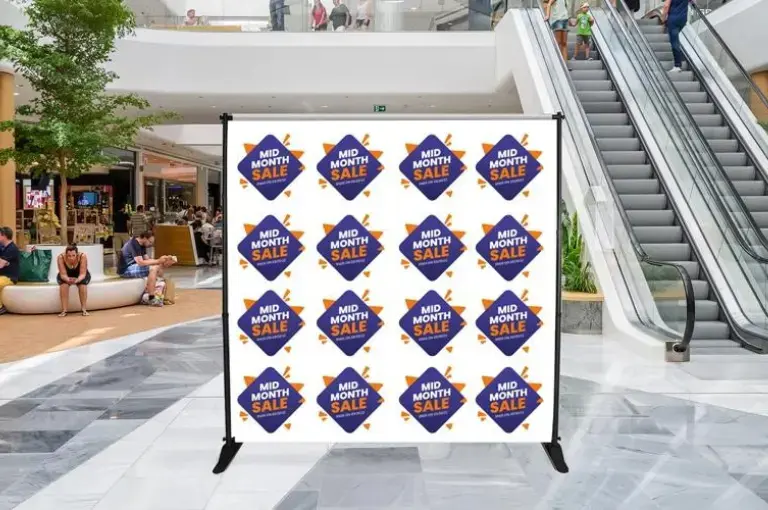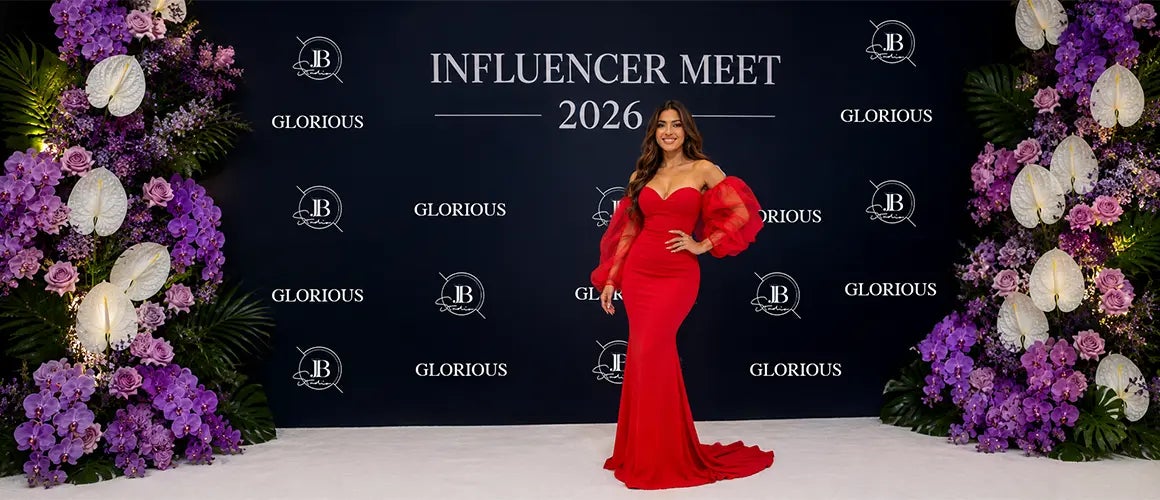
Picture this: It is the night of your biggest product launch or perhaps a high-profile charity gala. The paparazzi are lined up, the influencers are dressed to the nines, and the flashes are constant. In the background of every single photo, the ones that will live forever on Instagram and in press releases, is your logo. This is the power of step and repeat banners. However, before the first guest arrives, a critical technical decision must be made that will dictate the quality of those images. When evaluating vinyl vs. fabric step and repeat banners, the choice you make can be the difference between a high-end professional look or an absolute DIY disaster.
Popular Products
The Contenders: Understanding the Basics
In the event industry, we often talk about the visual impact of a brand, but we rarely discuss the chemistry of the material it is printed on. The step and repeat banner material serves as the canvas for your identity, and each type has a distinct “personality.” Vinyl is the rugged, reliable veteran of the signage world. It is a synthetic plastic-based material known for its vibrant color saturation and extreme durability. On the other hand, fabric is the sophisticated newcomer; a polyester knit that offers a soft, premium feel and a matte finish that photographers absolutely love.
Choosing between them isn’t about which one is “better” in an absolute sense; it is about which one fits the specific environmental and aesthetic demands of your venue. For instance, vinyl vs. fabric banners behave very differently under the harsh, direct glare of a professional camera flash. While vinyl is cost-effective and tough, its slight sheen can sometimes cause “hot spots” in photos if not handled correctly. Conversely, fabric absorbs light, making it the darling of the photography world.
The Case for Vinyl: Durability and Vibrancy
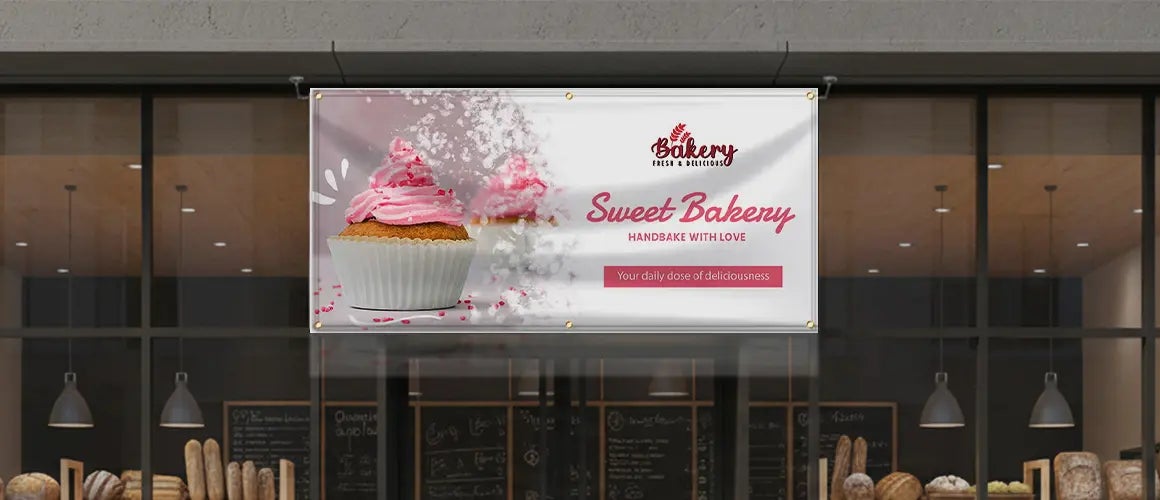
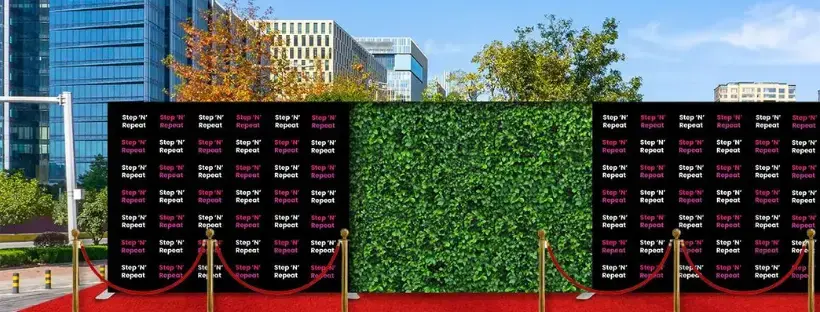
If your event is taking place outdoors, or if you need a solution that can survive a bit of rough handling, a custom vinyl banner is usually the frontrunner. Among the best materials for step and repeat banners, 13oz or 16oz vinyl stands out for its weather resistance and ability to display deep, rich blacks and neon-bright colors with incredible clarity. It is essentially waterproof, meaning a sudden drizzle won’t ruin your branding.
However, vinyl has one major enemy: the fold. If you don’t roll your vinyl banner properly on a core, it will develop creases that are notoriously difficult to remove. This is why many planners find themselves asking which is better: vinyl or fabric banner for recurring events where the sign must be packed and unpacked frequently. If you have the storage space to keep it rolled, vinyl offers a long-lasting, wipe-clean surface that stays looking new for years.
The Case for Fabric: Elegance and Photography
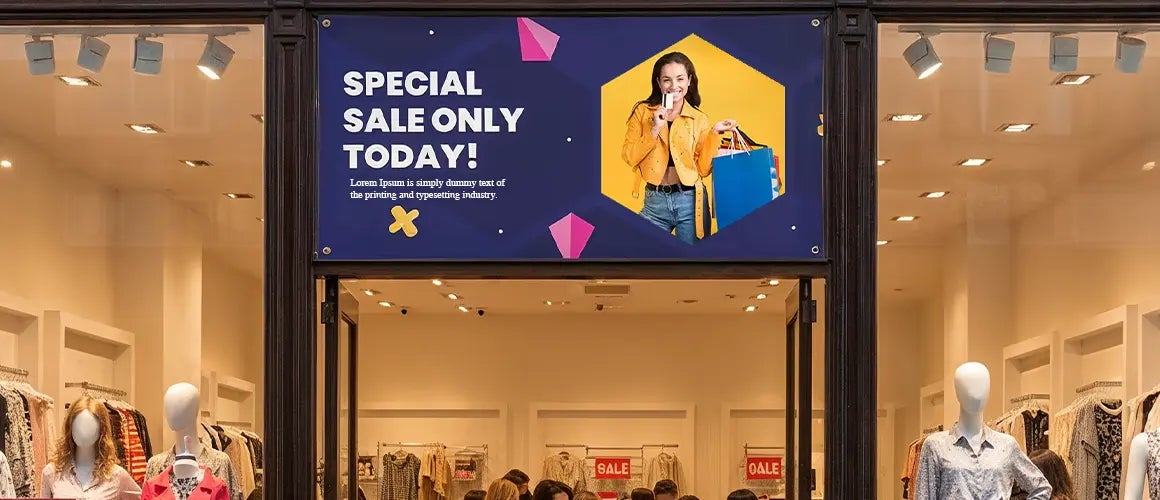
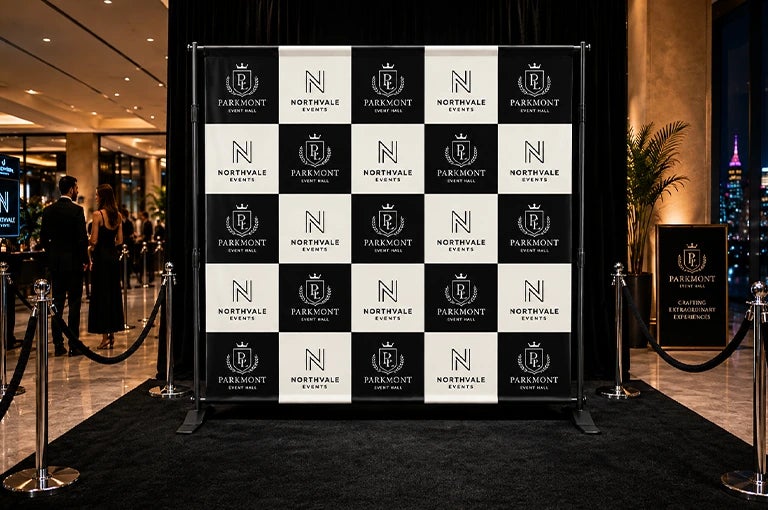
When you walk into a luxury hotel ballroom, you’ll notice that the branding rarely looks like plastic. High-end step and repeat fabric banners have become the industry standard for indoor corporate events and media “scrum” areas. Since the material is a polyester knit, it has no glare whatsoever. This ensures that every logo is perfectly legible in every photo, regardless of where the camera flash is positioned.
The biggest advantage of fabric, however, is its portability. You can literally fold a fabric banner like a tablecloth, stuff it into a suitcase, and then use a simple handheld steamer to remove any wrinkles in minutes once you arrive at the venue. This level of convenience is why step and repeat banners made of fabric are the preferred choice for traveling marketing teams who need to jump from city to city without hauling heavy tubes.
Selecting the Right Frame and Package
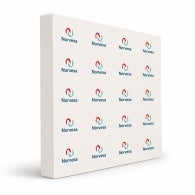
Once you’ve settled on the material, you have to think about how it will be displayed. A floppy banner is a poor reflection of your brand. For those who want a truly seamless, “built-in” look, the step and repeat wall box display package is the gold standard. This setup uses a heavy-duty frame that pulls the fabric or vinyl tight across all sides, creating a solid wall effect that looks like a permanent installation rather than a temporary sign.
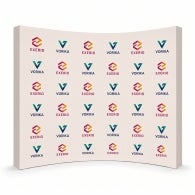
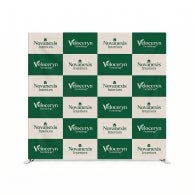
A high-quality step and repeat backdrop should be tall enough to accommodate your tallest guests and wide enough to fit a group of four to six people. If the banner is too small, you’ll see the edges of the room or the metal poles in the photos, which ruins the “red carpet” illusion. Always aim for at least 8 feet in height to ensure the “repeat” of the logos stays behind the guests’ heads.
The Practical Breakdown
To help you decide, let’s look at a few common scenarios. If you are a small business owner running a one-day outdoor sidewalk sale, a vinyl banner is your best friend. It’s affordable, can be hosed off if it gets dusty, and looks great in natural sunlight. However, if you are hosting a wedding or a corporate awards night, step and repeat fabric banners are worth the extra investment. They provide a soft, high-definition finish that feels more like an “interior design” element than an “advertisement.”
Finally, we must consider the environmental footprint. Many fabric banners are now being produced from recycled polyester and printed with water-based inks, making them a more sustainable choice for eco-conscious brands. While vinyl is incredibly long-lasting, it is more difficult to recycle. If your brand values sustainability, that might be the tie-breaker in your decision-making process.
Conclusion: Making Your Final Choice
In the end, your choice depends on the three L’s: Location, Lighting, and Logistics. Vinyl wins on price and outdoor resilience, while fabric wins on aesthetics and ease of travel. No matter which path you take, remember that step and repeat banners are an investment in your brand’s visual legacy. Choose the material that makes your logos pop and your guests feel like stars, and you can’t go wrong.