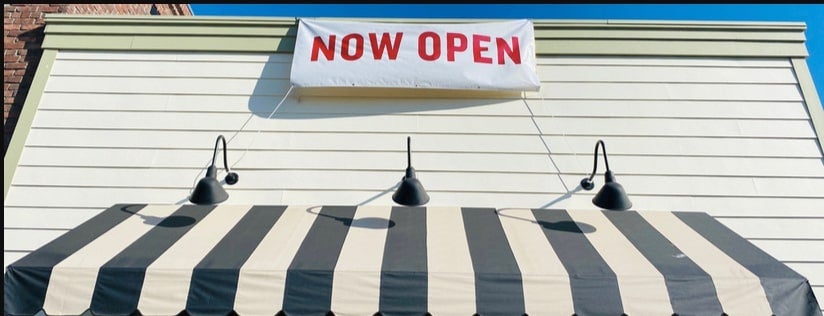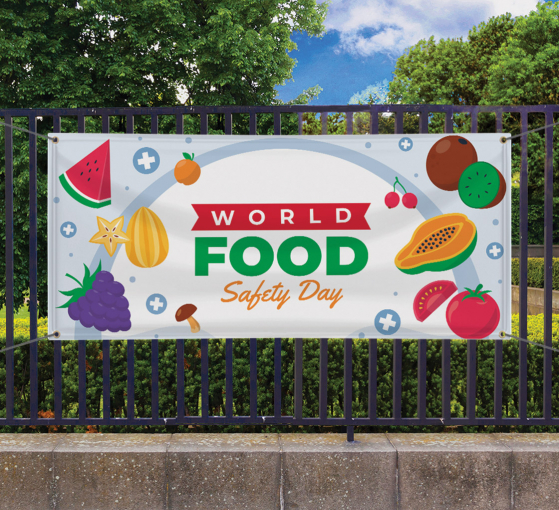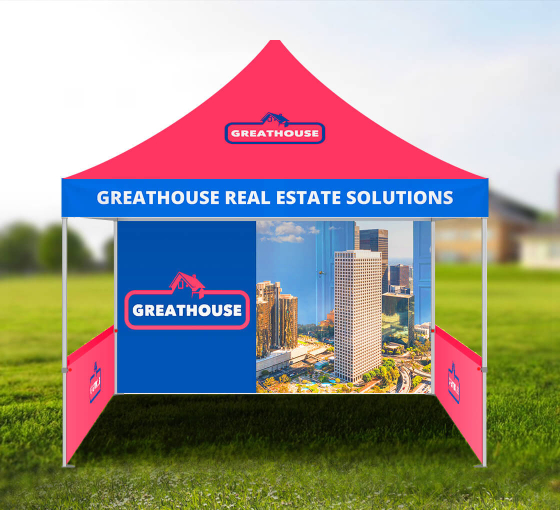


Imagine passing a street and coming across a banner that is just so plain and boring that all you could do but wonder what exactly the brand was trying to communicate and what stopped them from utilizing their creative side; and then walk past without a second glance. Getting a banner for your brand isn’t enough, instead, when you’ve decided to go big, it should comprise a little thought into everything, be it the brand logo, message, font, elements, and most importantly, the material you use. The correct banner material is suitable for improving your brand’s visibility and overall presentation. When every detail comes together, they create a massive impact on your brand’s personality. People start seeing you in a different way and actually start considering relying on you in the longer run.
Popular Products



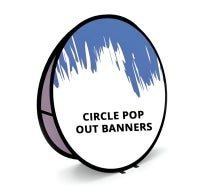
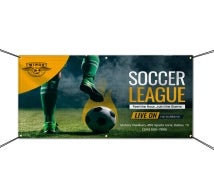

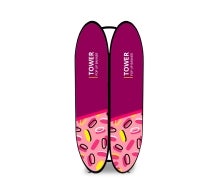
In this blog, we will be talking about the multiple best banner materials that help businesses make confident, informed choices based on where and how their banners are used.
Why Banner Material Selection Matters
Banner material influences how graphics appear, how long the banner lasts, and how easily it can be handled. Indoor banners prioritize visual finish, while outdoor banners must withstand environmental stress. This difference makes material choice a strategic step in campaign planning.
A clear banner material comparison helps businesses avoid mismatched materials that either fail too soon or underperform visually.
Banner Materials for Indoor and Outdoor Use
Not all banners are designed for the same environment. Indoor banners are protected from weather and typically viewed up close, whereas outdoor banners need stronger construction.
The best banner material for indoor use often focuses on smooth texture, refined print output, and ease of transport. In contrast, the best banner material for outdoor use must resist wind, moisture, and prolonged sun exposure without losing readability.
Selecting the right category early ensures the banner performs as expected throughout its lifespan.
Popular Fabric Material for Banner Printing
Different banner materials serve different promotional needs. Below are the most commonly used options for business and event displays.
1. Polyester
Polyester is widely used for fabric banners due to its lightweight structure and clean finish. It supports vibrant colors and detailed prints, making it suitable for close viewing environments.
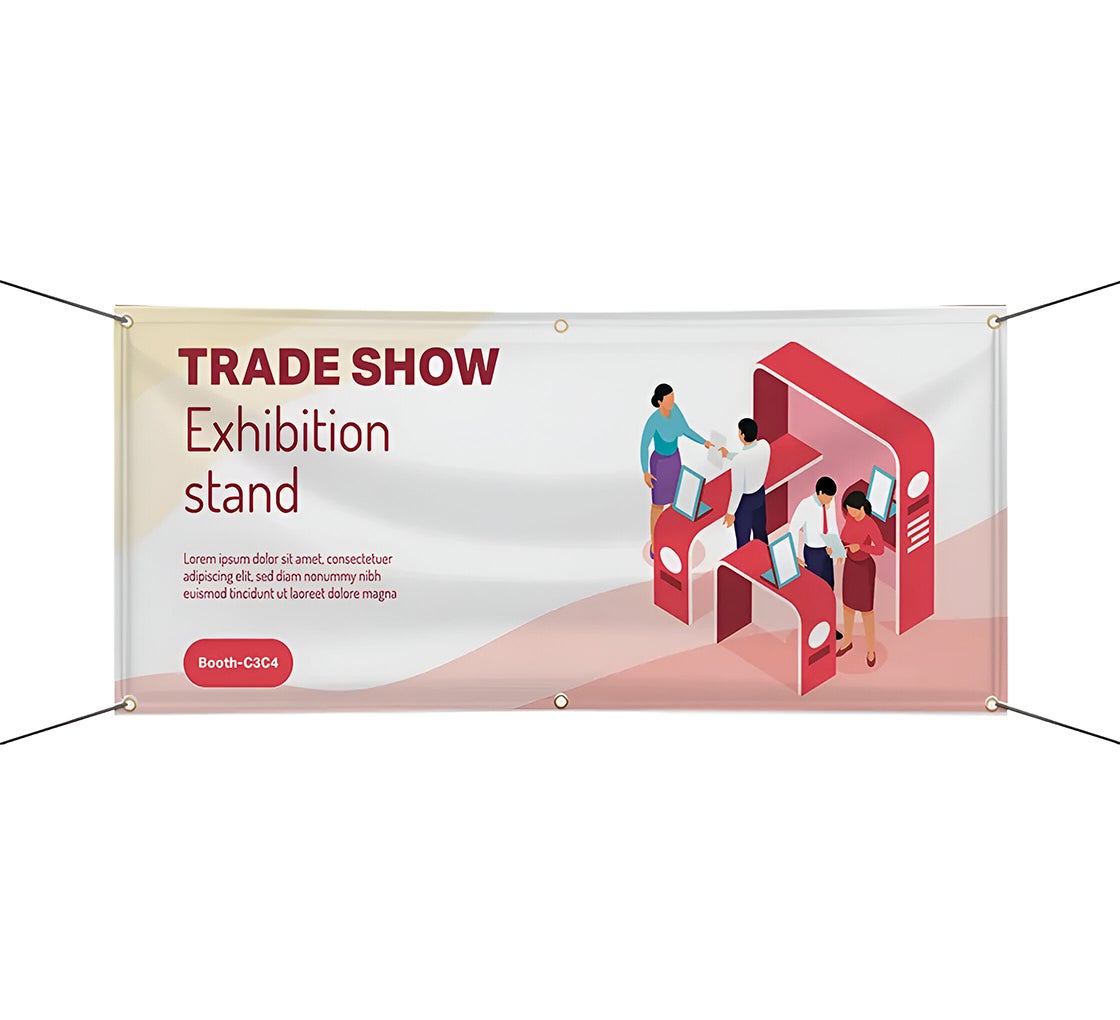
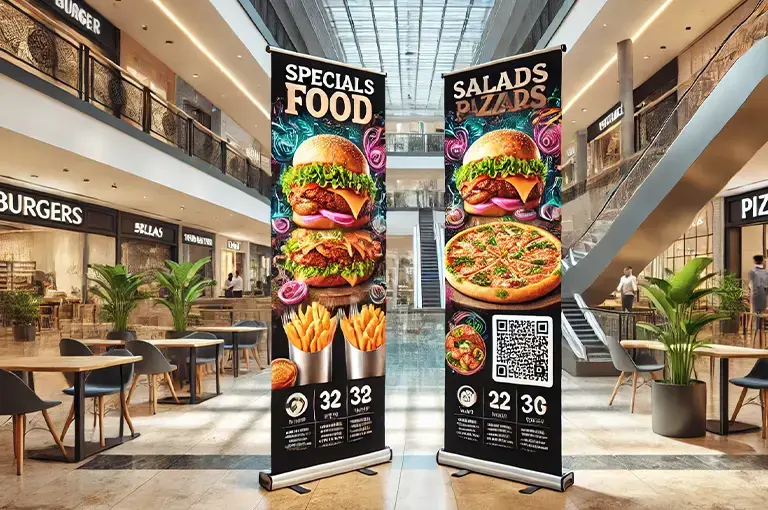
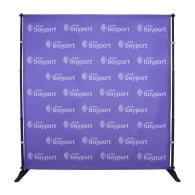
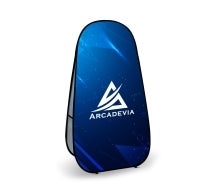
Polyester is commonly chosen for a fabric banner used at trade shows, exhibitions, and indoor brand activations. It folds easily, resists creasing, and works well with display systems such as retractable stands and backdrops.
For marketers seeking portability without sacrificing appearance, polyester offers a balanced solution.
2. Vinyl
Vinyl remains one of the most versatile banner materials available. It provides strength, weather resistance, and consistent print results across various conditions.
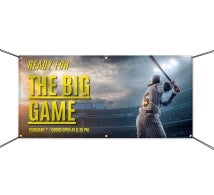
A custom vinyl banner is frequently used for storefront promotions, outdoor events, and temporary advertising campaigns. Vinyl holds ink well, ensuring bold text and sharp imagery even from a distance.
This material is also a reliable business banner option for brands that reuse banners across multiple locations or events.
3. Canvas
Canvas banners offer a textured, premium appearance that suits certain branding environments. They are typically used where aesthetics matter more than exposure to harsh conditions.
Canvas works well for indoor displays, retail interiors, and gallery-style presentations where visual depth adds value. While not ideal for outdoor use, canvas supports detailed designs and softer color transitions.
This material is often selected when presentation takes priority over portability.
4. Mesh
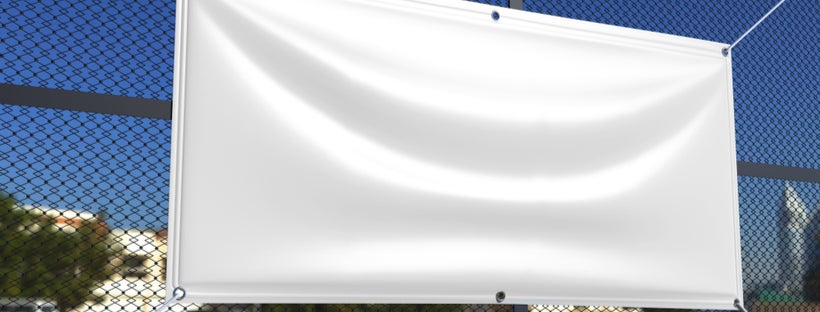
Mesh banners are designed specifically for outdoor environments with high wind exposure. Their perforated structure allows air to pass through while maintaining graphic visibility.

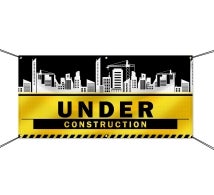
Mesh is commonly used as a fence banner at construction sites, sports grounds, and large outdoor venues. It reduces stress on mounting points and performs well in open areas.
For large-scale outdoor advertising, mesh provides stability without sacrificing messaging.
How Banner Material Affects Print Quality
Print quality is shaped by how ink interacts with the banner surface. Smooth materials produce sharper text, while textured materials create softer visual effects.
Understanding how banner material affects print quality helps businesses match material to design intent. Vinyl typically delivers high contrast and bold colors, while fabric absorbs ink for a more matte finish.
Choosing a banner material that gives best print quality depends on viewing distance, lighting conditions, and design complexity.
Banner Materials for Business Advertising
Business advertising banners are often exposed to frequent handling and varied environments. Material durability becomes essential when banners are reused across campaigns.
Selecting the best banner material for business advertising ensures consistent brand visibility without frequent replacements. Vinyl and polyester are commonly preferred due to their balance of strength and visual appeal.
These materials support both short-term promotions and long-running displays.
Banner Use in Campaigns and Public Messaging

Certain banner applications require materials that maintain clarity over extended periods. Campaign messaging placed outdoors must remain legible despite exposure.
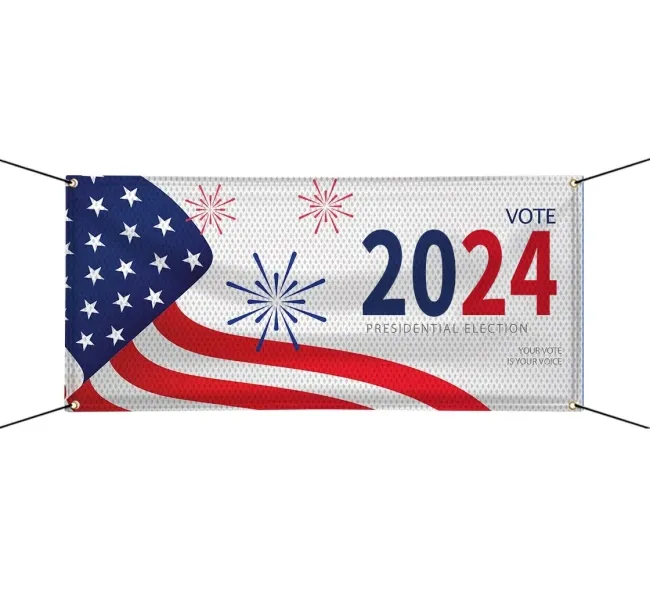
Vinyl is often used for a political banner because it withstands outdoor conditions while keeping text readable from a distance. Mesh is sometimes chosen when banners are installed in open, windy areas.
Material selection in these cases supports compliance, visibility, and durability.
Customization and Display Compatibility
Banner material also affects how banners are mounted and displayed. Some materials support grommets and pole pockets better than others, while fabric banners integrate smoothly with tension frames.
A well-designed custom banner considers both material and hardware compatibility to ensure secure installation and professional presentation.
This alignment reduces setup issues during events and exhibitions.
Choosing the Right Material for Your Banner
There is no fixed answer to the exact banner material required for every promotional need. Taking the banner material into consideration is something very ambiguous, as it depends on multiple factors like: the area where it has to be placed, the campaign it is being used for and for how long it has to be used. It requires a balance of insight and instinct to ensure every element aligns with indoor and outdoor promotional needs. Also, it is a fact that businesses benefit from selecting materials that match real usage rather than ideal conditions. We, at Best of Signs, design banners with an extensive material range to support diverse business applications and yield a great impression.
Final Thoughts
The idea of banner printing isn’t just about choosing the material. Instead, it has to do with a more diverse understanding of branding, audience interaction and where the banner will ultimately be seen. Once the most suitable banner is installed, it doesn’t just leave an impact; it also shapes how audiences perceive and engage with the brand over time. Understanding the material allows a banner to be used in the most effective way. That’s precisely why businesses invest in banners; they know that it is one of the best mediums that supports their marketing goals on a bigger picture.
Written By Best Of Signs Editorial Team!
 Posted in