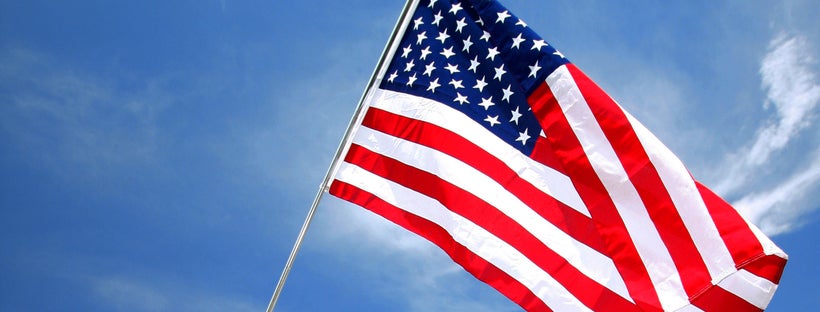
Flags are more than just pieces of fabric; they are powerful symbols of identity. They represent pride, presence, and authority, often carrying the emotional weight of the people or communities they stand for. Even in a football match, you will see Americans waving their flags proudly, not just to support their team, but to express a sense of belonging, confidence, and national pride.
Today, flags have moved far beyond history books and battlefields. From music festivals to retail stores, they still do what they have always done best: grab attention without saying too much. In a crowded space where everyone is trying to be seen, a well-made flag can quietly do a lot of work for a brand.
That is exactly why custom flags have become such a practical choice for businesses and events. They are easy to spot from a distance, simple to set up, and versatile enough to work indoors or outdoors. Whether you are promoting a sale, marking an event entrance, or building visibility at an exhibition, the right flag helps people notice you before they even reach your space.
Popular Products
Start with the Purpose
The biggest mistake people make is jumping straight into colors, fonts, and logos before deciding what the flag is supposed to do. If you are wondering how to make a custom flag, start with one simple question: what should people understand in the first three seconds of seeing it?
A business flag is not a brochure. It does not need to explain everything. It only needs to deliver one clear message. That could be your brand name, an offer, a direction marker, or an event announcement. Once you know that one job, every design decision becomes easier.
This is also where strong customized flag ideas come from. Instead of trying to make the flag say too much, focus on the setting. A flag for a bakery opening might need warmth and personality. A corporate expo flag should look clean and sharp. A sports event flag may need energy and movement.
Make It Readable in One Glance

A flag is usually seen in motion, from a distance, and often for only a few seconds. That means clarity matters more than cleverness. Use short text. Choose fonts that can be read quickly. Stick with colors that create contrast. If the background is cluttered or the lettering is too thin, the design will vanish as soon as the wind picks up.
Your logo should have enough breathing room. Many people make it too small because they also want to include a phone number, social handle, slogan, website, and offer all at once. Resist that temptation. A flag works best when it feels clean, balanced, and instantly recognizable.
When in doubt, step back from the design and ask yourself: would I understand this from across a parking lot? If the answer is no, simplify it.
Pick the Right Format
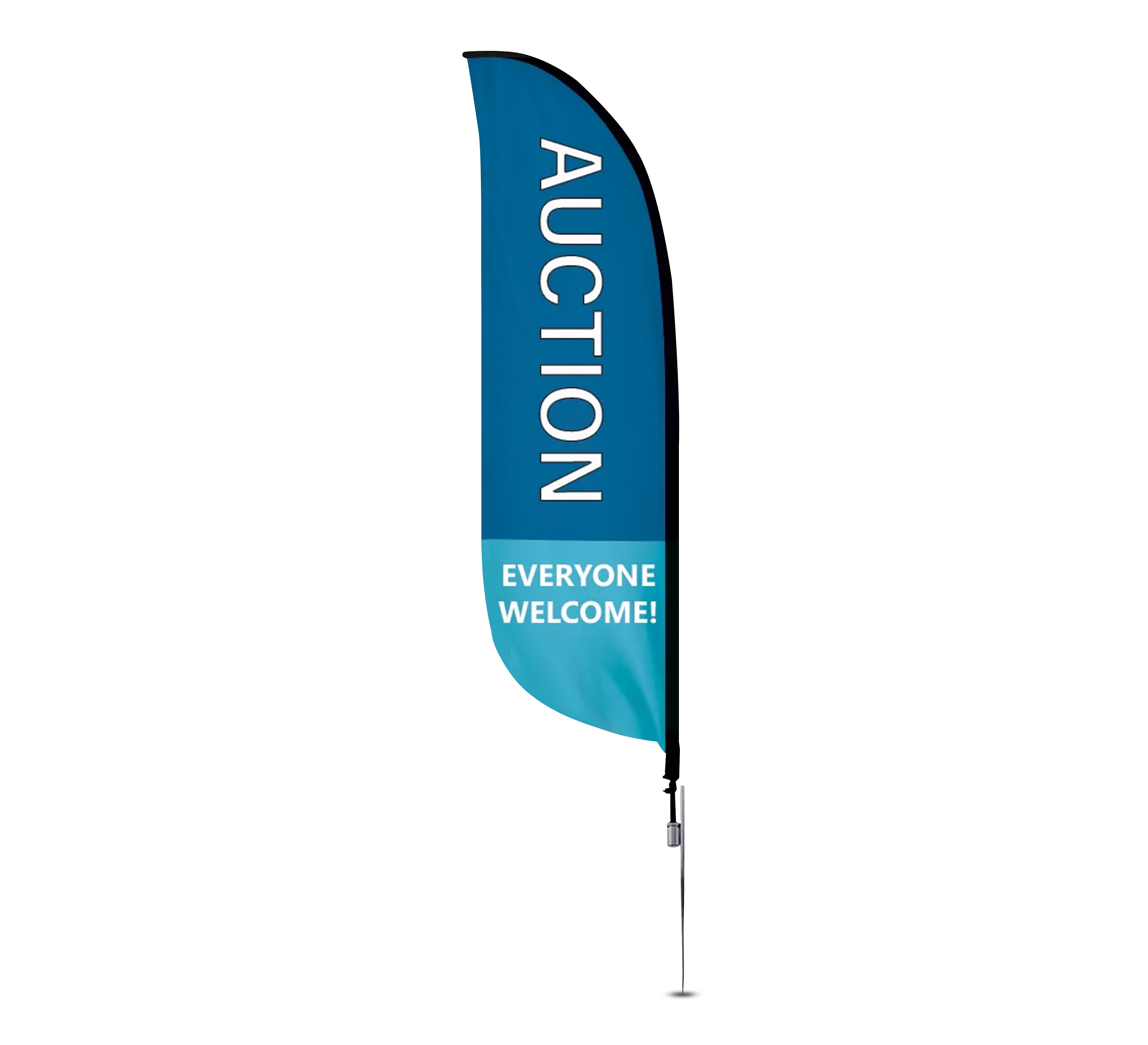
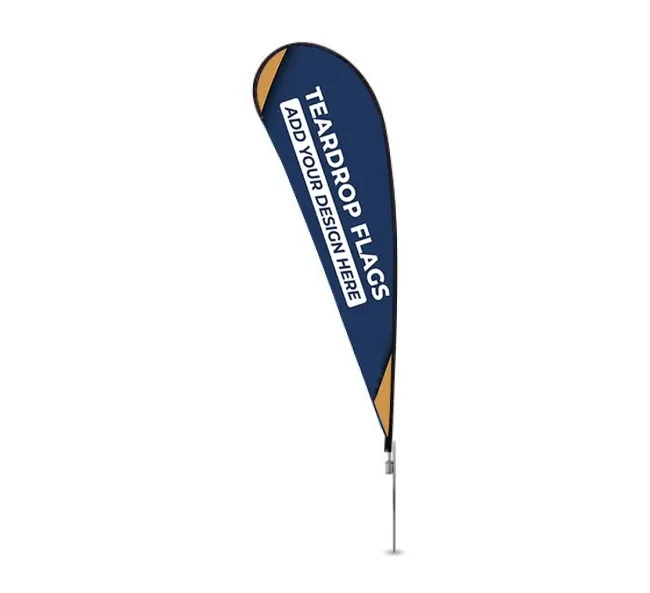
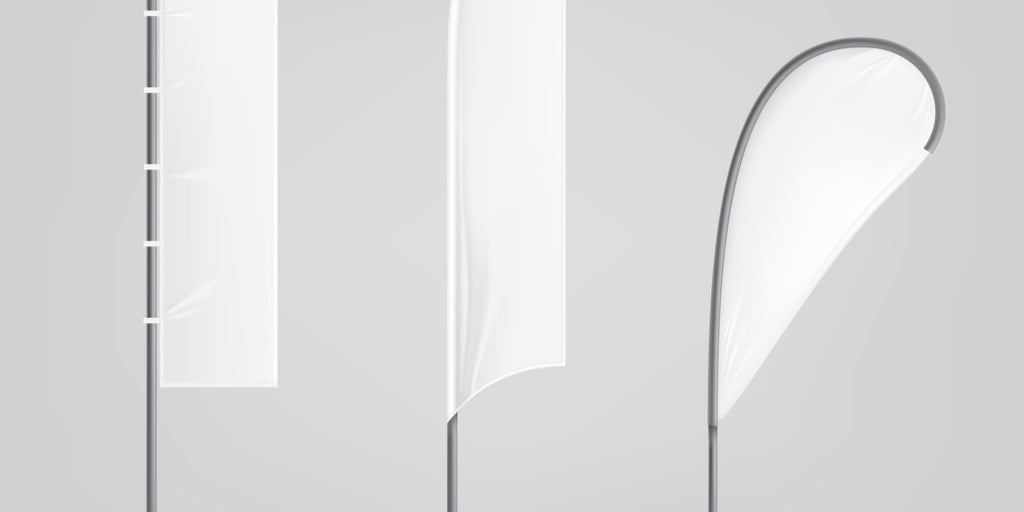
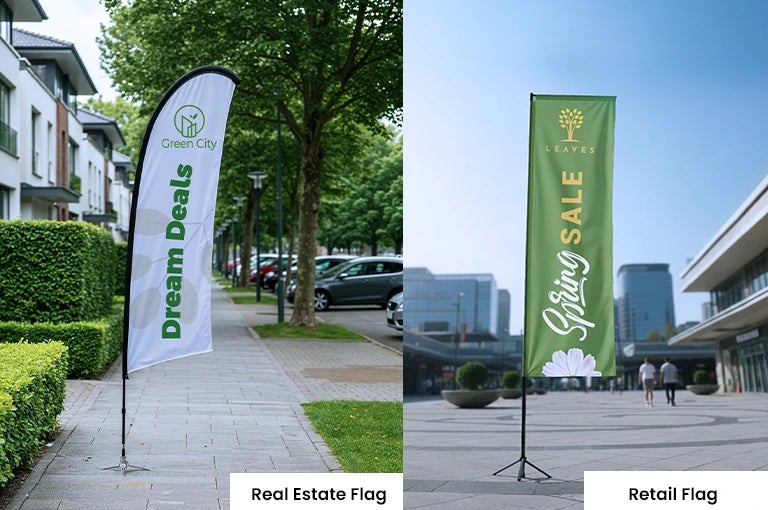
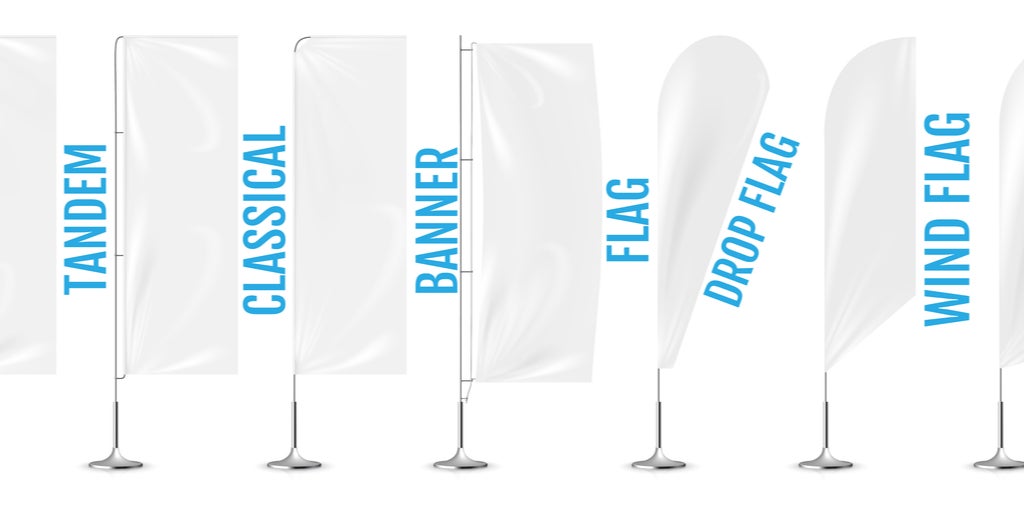
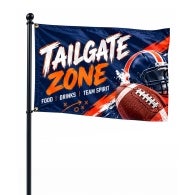
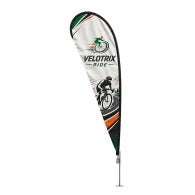
Not every flag shape works for every purpose. The format should match the space, the audience, and the way the flag will be displayed. For example, Feather flags are great when you want a tall, flowing look that catches the eye outdoors. Rectangle flags are more structured and are useful when you want a broader design area for logos or short messages.
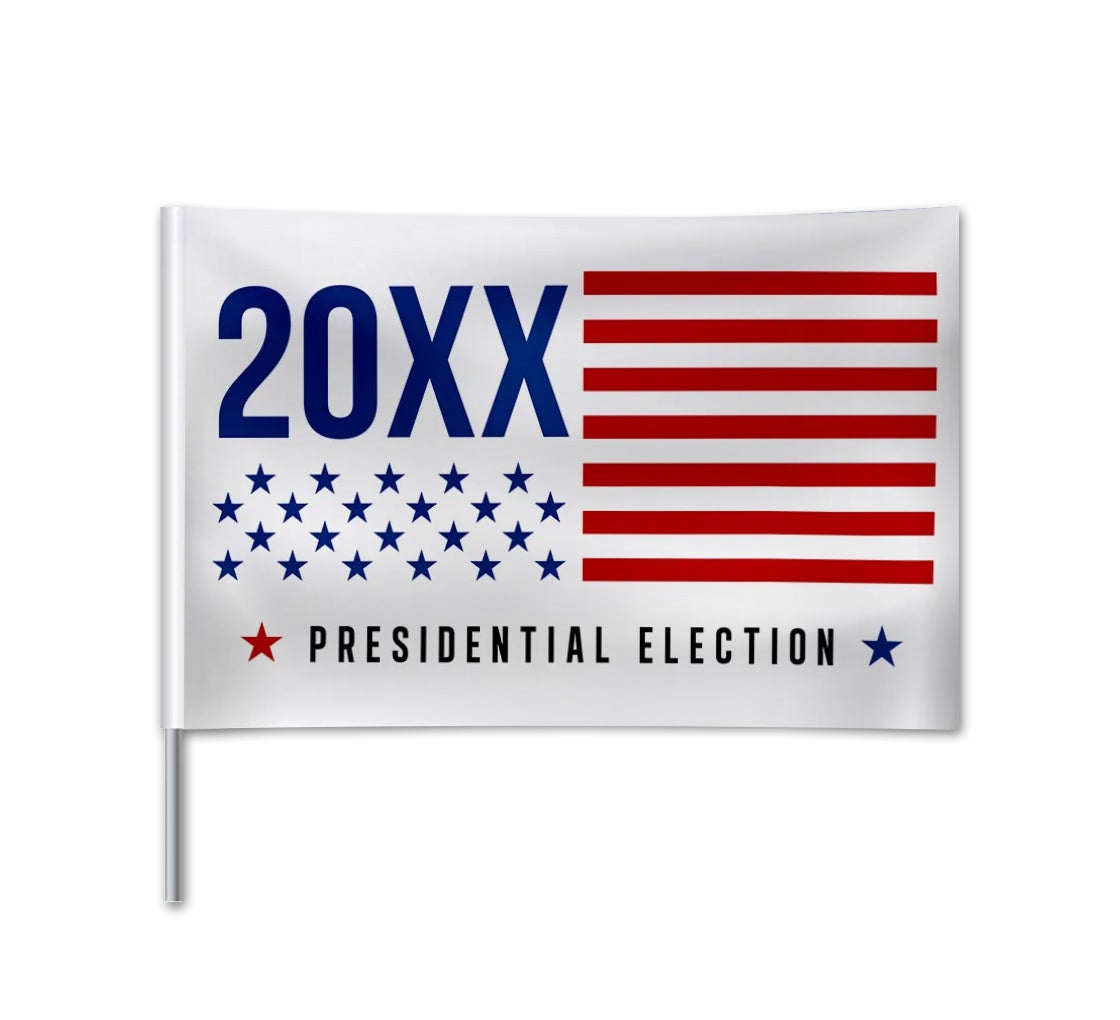
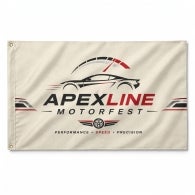
For smaller-scale engagement, Hand flags are a fun option for rallies, parades, school events, and fan moments. Triangle flags create a more playful visual style and can work well for festive promotions or event pathways. Car flags are perfect for mobile branding, dealership offers, and celebratory drives where movement is part of the message.
If you want something flexible for different campaigns, Custom Flags are often the safest starting point because they can be adapted to both business promotions and event branding without feeling out of place.
Do Not Ignore Material and Print Quality
A great design can still fall flat if the material is cheap, or the print looks dull. Durability is crucial because flags endure exposure to sunlight, wind, dust, and repeated handling. Fabric quality affects how the flag moves, how the colors appear, and how long it holds up outdoors.
Print quality matters just as much. Crisp lines, rich colors, and clean finishing make a real difference when someone sees your brand up close. This is especially important for promotional flags used at trade shows, retail entrances, and recurring events.
You should also think about hardware and installation. Will the flag need a ground stake, cross base, pole set, or wall mount? Where it is displayed, it will determine what support it needs.
Design for the Space

A flag for a street-facing store should be different from one used inside a convention hall. Outdoor flags need stronger contrast and a layout that remains visible in bright light. Indoor flags can be slightly more detailed because people will usually be closer to them.
For trade fairs and expos, a clean brand-led design tends to work best. For local events, fundraisers, school functions, or seasonal promotions, you can be more expressive with color and illustration.
Where to Buy Custom Flags?
Once you decide to make your own custom flag, the biggest question is how to proceed further with it. At Best of Signs, you get to choose from a variety of sizes and designs, all in one place. You’ll also get the liberty of making your own design and if the whole designing process is too tiring for you, then you can also Hire a Designer on Best of Signs.
A Good Flag Creates Presence
The best custom flags do not just fill an empty corner. They create presence. They help people find you, remember you, and understand your message faster. In business, that kind of visual clarity matters. It has the power to set the tone for events before a single word is said.
So, before you treat a flag like a small add-on, think of it as a quiet brand ambassador. When designed with purpose, printed well, and placed in the right setting, it can still do what flags have always done throughout history: make a statement that people notice.